Cavern Club guide — Liverpool's most famous music venue
Liverpool: The Beatles and Cavern Quarter Walking Tour
Is the Cavern Club in Liverpool the original venue where the Beatles played?
Not exactly. The original club, demolished in 1973 during railway tunnel works, hosted the Beatles nearly 300 times between 1961 and 1963. The current Cavern Club sits on the same street, built partly with bricks salvaged from the original, roughly 15 metres from its original footprint — a faithful, licensed recreation that still hosts live music most days.
| Where | 10 Mathew Street, Liverpool city centre |
| Cost | Free/low-cost daytime browsing; modest cover charge for evening sets |
| Time needed | 30-45 min daytime; 1-2 hrs for an evening show |
| Getting there | ~45 min train from Chester to Liverpool Lime Street, then 10-15 min walk |
| Best time | Weekday afternoons for a relaxed, uncrowded visit |
The venue that launched Beatlemania
Between 1961 and 1963, the Beatles played the Cavern Club on Mathew Street nearly 300 times, building the loyal local following that record labels initially overlooked before Brian Epstein — a Liverpool record shop owner who first saw the band there — became their manager and pushed for a recording contract. The club had opened in 1957 as a jazz venue in a converted 19th-century fruit and vegetable warehouse cellar, only shifting toward the beat and skiffle music that made it famous slightly later, and its cramped, sweaty, low-ceilinged basement setting became inseparable from the mythology of the band’s rise from Liverpool obscurity to national attention.
Is this the original club?
Here’s the detail that surprises many visitors: the original Cavern Club was demolished in 1973 as part of Liverpool’s railway tunnel works, and closed for several years before local campaigning and Beatles tourism demand led to a new club being built close to (not on) the original site, using bricks salvaged from the demolished building.
The current Cavern Club, roughly 15 metres from where the original stood, has operated continuously since 1984 and is licensed and recognised as the spiritual and physical successor to the 1957 venue, but it is a reconstruction rather than an untouched original — worth knowing before you visit so expectations are set correctly rather than assuming you’re standing in the literal unaltered room the Beatles performed in.
What to expect inside
The Cavern Club still operates as a genuinely working live music venue rather than a static museum, hosting tribute acts, local musicians and occasional bigger-name performers across most days and evenings — a meaningfully different experience from Liverpool’s other Beatles sites, which are largely fixed exhibitions.
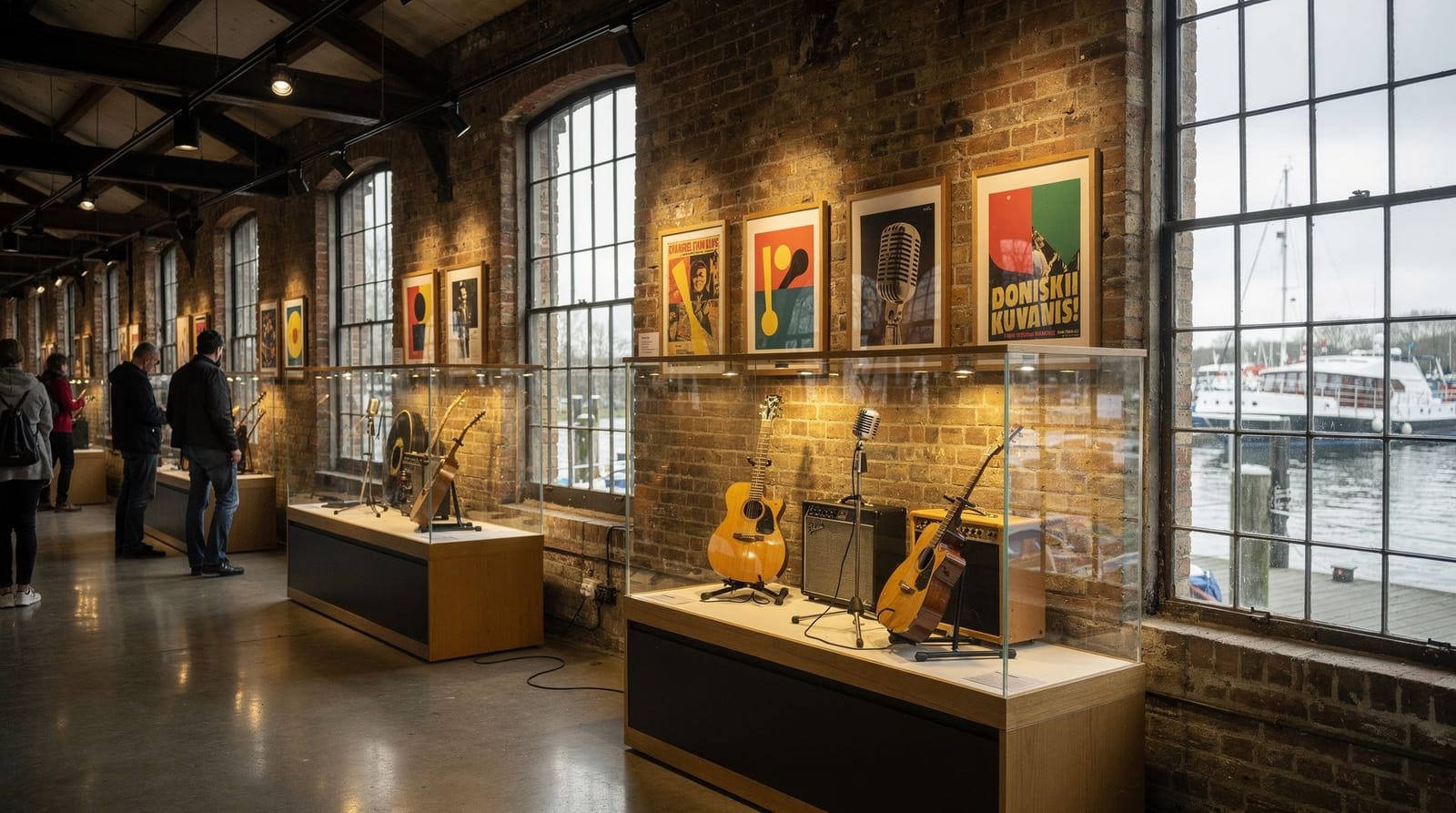
Daytime visits are more relaxed and often free or low-cost to simply look around and catch an afternoon set, while evening sessions, particularly around weekends or during the International Beatleweek festival in late August, can involve a cover charge and queuing given the venue’s continued popularity. The layout retains the arched brick cellar aesthetic of the original, giving a reasonably authentic sense of the club’s cramped, atmospheric character even in its rebuilt form.
Ticket prices and what a cover charge buys you
There’s no admission fee simply to walk in and look around the venue during the day — you can browse the arched brick cellar, the Wall of Fame memorabilia and often catch a free or low-cost afternoon set without booking anything in advance. Evening sessions work differently: once a paid tribute act or touring artist takes the stage, a modest cover charge applies on the door, rising for bigger-name Beatleweek performances in late August, when several stages across Mathew Street run simultaneously and the whole quarter gets considerably busier and pricier than an ordinary evening.
If a specific act is the reason for your visit, checking that night’s cover and arriving 20-30 minutes before doors is a sensible precaution, since queuing does happen for popular slots and the venue itself is small enough that it can fill before the advertised start time.
For visitors who’d rather see the story behind the venue as well as the room itself, the Beatles Story museum ticket pairs naturally with a Cavern Club visit — the museum covers the band’s full history in far more depth than the club’s own displays, and booking both in the same day makes efficient use of a single trip out from Chester.
Where to eat and drink around Mathew Street
Mathew Street itself is dense with themed pubs and quick-service food aimed squarely at passing Beatles tourists, but it’s worth walking a couple of minutes further into Liverpool’s wider city centre for a proper meal rather than settling for the nearest option. Our Liverpool food guide covers the city’s stronger independent restaurants and cafés beyond the immediate Cavern Quarter, useful if you’re building a full day around the visit rather than a quick in-and-out stop. For a drink with more local character than the Beatles-branded pubs directly on Mathew Street, the streets just beyond it have a genuine, less tourist-facing pub scene worth seeking out once you’ve finished at the club itself.
If you’re staying in Liverpool overnight rather than day-tripping from Chester, an evening Cavern Club set followed by a late dinner nearby is a natural way to end a Beatles-focused day without needing to factor in a return train.
Walking tours of the Cavern Quarter
The Beatles and Cavern Quarter walking tour covers the wider streets around Mathew Street — the Cavern Wall of Fame, the John Lennon statue, and other Beatles-adjacent sites within a compact, walkable area — before ending at the club itself, giving useful context for why this specific stretch of Liverpool became so significant to the band’s early career. It’s a good complement to a standalone Cavern Club visit, particularly for first-time visitors who want the surrounding history explained rather than just the venue itself.
Getting there from Chester
Trains from Chester to Liverpool Lime Street take around 45 minutes, usually with one change at Runcorn or Hooton. From Lime Street, Mathew Street and the Cavern Club are a 10-15 minute walk through the city centre, making this one of the more accessible Beatles sites for a straightforward half-day trip. There’s no need to book ahead for a casual daytime visit, though evening sessions with well-known acts can sell out or involve queuing, so checking the club’s live schedule before travelling is worth doing if a specific performance is the reason for your visit.
Combining with the wider Beatles circuit
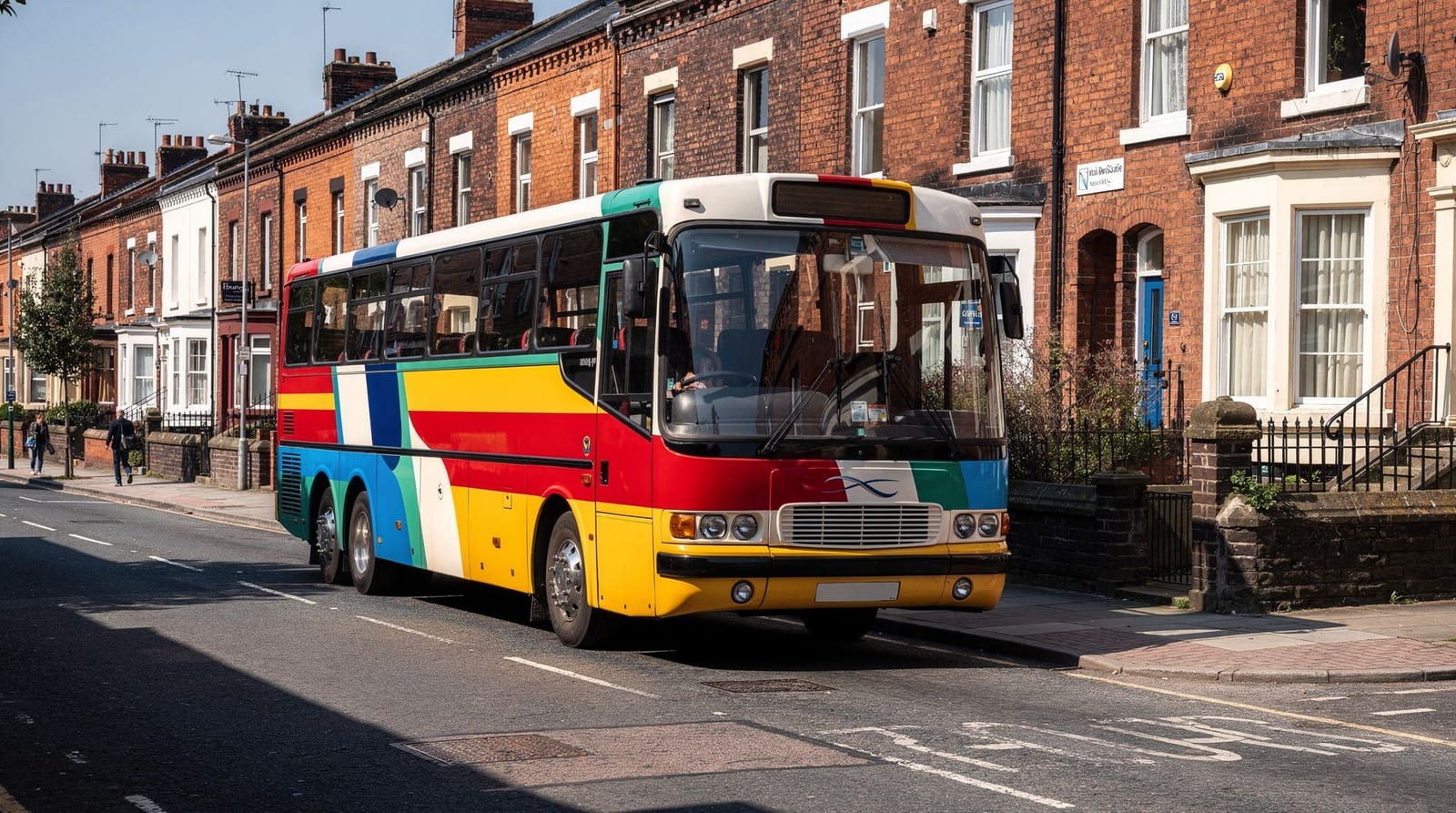
The Cavern Club pairs naturally with the Beatles Story museum at the Albert Dock (a 15-20 minute walk or short taxi from Mathew Street) and, for visitors with a full day, the Magical Mystery Tour bus, which departs from a fixed point near the club itself. Our Beatles Story guide and Magical Mystery Tour guide both cover how to sequence a fuller Beatles day, and our overarching Beatles Liverpool guide compares all four major sites side by side including the National Trust childhood homes.
The Wall of Fame and Mathew Street’s wider Beatles heritage
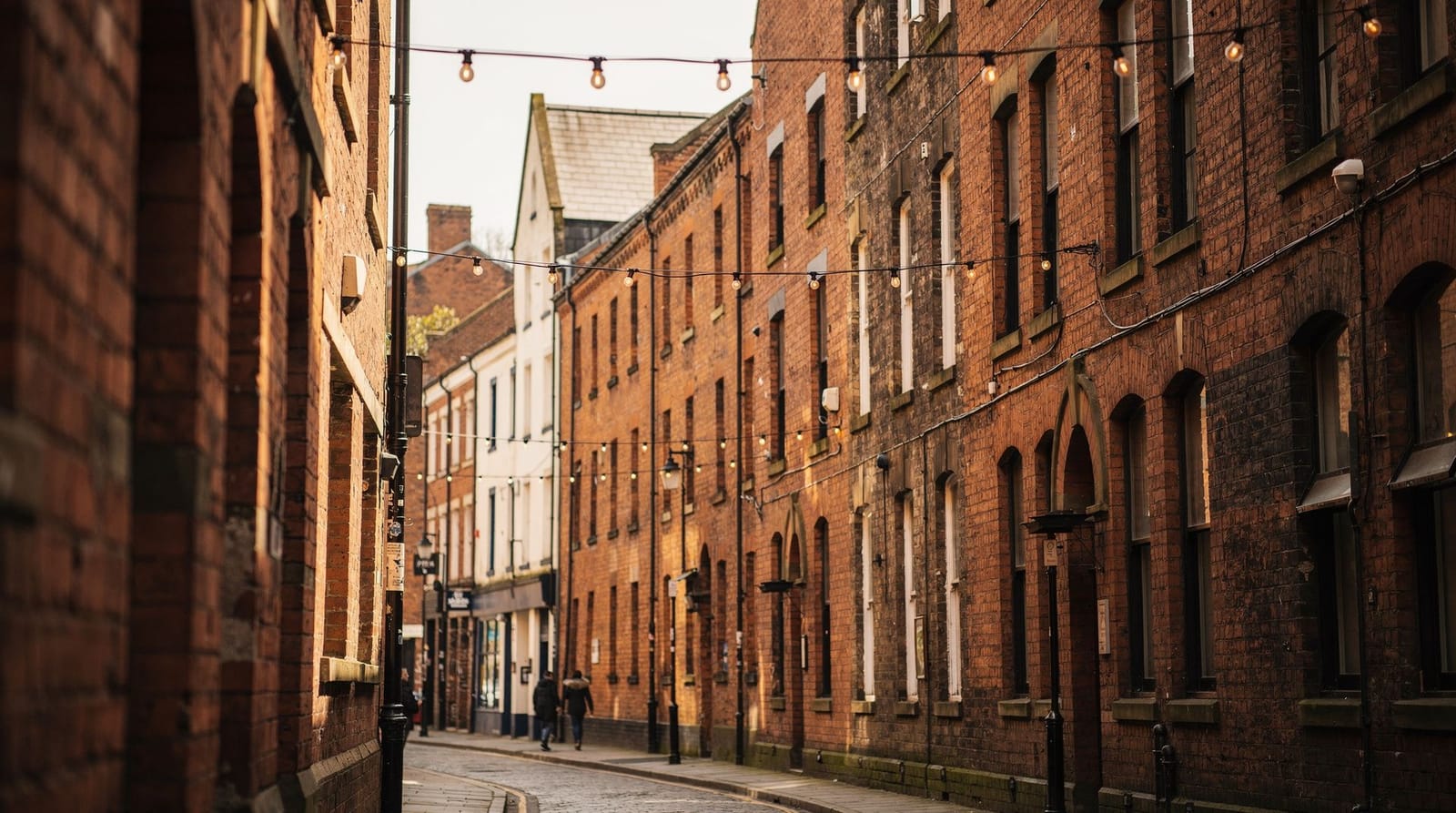
Outside the club itself, the Cavern Wall of Fame — a brick wall bearing the names of every act that’s performed at the Cavern since it reopened, alongside markers for other Merseybeat-era acts — gives a sense of just how many British bands passed through this small stretch of Liverpool during the 1960s beat boom, of which the Beatles were the most famous but far from the only significant act. Mathew Street itself, once a fairly unremarkable warehouse district, has been substantially reshaped by Beatles tourism over the decades, with themed pubs, the John Lennon statue, and various commemorative plaques now filling what was, in the band’s own time, a working commercial street rather than a tourist destination.
Live music beyond the Beatles connection
While most visitors come specifically for the Beatles history, the Cavern Club continues to function as a genuine live music venue booking a mix of tribute acts, local Liverpool musicians, and occasional national touring acts across its regular schedule — worth checking if you have a general interest in live music rather than only Beatles-specific programming. Weekday daytime sets tend to be shorter, more informal performances, while weekend evenings bring fuller shows with cover charges reflecting the larger acts booked. The venue’s continued relevance as a working club, rather than purely a heritage site, is part of what distinguishes it from more static museum-format Beatles attractions elsewhere in the city.
Tourist traps to avoid
The immediate streets around the Cavern Club are dense with souvenir shops and themed pubs trading heavily on Beatles branding, some offering only generic merchandise at a markup versus the club’s own shop or the Beatles Story’s official retail. If a genuine keepsake matters, the Cavern Club’s own shop and the Beatles Story gift shop are the more reliable options for quality and authenticity.
Be aware that “Cavern Club” branding appears on various nearby businesses with looser or no formal connection to the actual venue — the genuine club is clearly signed at 10 Mathew Street, and it’s worth confirming you’re at the right venue before paying any cover charge, particularly in the evening when several nearby venues compete for passing Beatles tourists.
Best time to visit
Daytime visits, particularly on weekdays, offer the most relaxed way to see the venue and catch a shorter live set without queuing or a cover charge. Evenings and weekends bring a livelier atmosphere with fuller programming but also larger crowds and possible queuing, especially during the International Beatleweek festival in late August, which draws Beatles tribute acts and fans from around the world and represents the single busiest period in the club’s calendar. For a first visit focused on seeing the venue and its history rather than a specific evening performance, an early afternoon visit tends to offer the best balance of atmosphere and manageable crowds.
Other acts that passed through the original Cavern
While the Beatles are inseparable from the Cavern’s reputation, the original 1957-1973 club hosted a far wider slice of British music history than most visitors realise, and guides on the Cavern Quarter walking tour tend to fill this gap usefully. The Rolling Stones played the venue in 1963, part of a period when the Cavern briefly operated almost as a proving ground for the wider British beat and blues scene rather than a Beatles-specific venue.
Merseybeat contemporaries of the Beatles — bands like Gerry and the Pacemakers and the Searchers, both of whom also had chart success in the UK and US during the same early-1960s window — played the Cavern regularly, and their names appear alongside the Beatles’ on the Cavern Wall of Fame outside. Understanding that the Beatles emerged from a genuinely competitive, crowded local scene rather than as an isolated phenomenon adds useful context to why Liverpool as a whole, not just this one venue, earned its reputation as a serious mid-century music city — a reputation the British Music Experience at the Albert Dock explores in more depth for visitors who want the fuller regional and national picture beyond the Beatles alone.
The demolition and rebuilding story in more depth
The 1973 demolition, driven by Merseyrail underground railway works that required tunnelling beneath Mathew Street, was met with considerable local anger at the time, given the club’s cultural significance even just a decade after the Beatles’ peak Cavern years. For over a decade, the site sat without a direct successor venue, until sustained local campaigning and the clear commercial logic of Beatles tourism led to the current club’s construction in 1984, incorporating original bricks recovered from the demolition to maintain some literal physical continuity with the 1957-1973 building.
The reconstruction wasn’t universally welcomed by purists who felt a replica couldn’t meaningfully replace the original, a debate that echoes similar arguments made about reconstructed historic sites elsewhere in the world — but three decades on, the current club has built its own independent history and reputation as a genuine working venue, hosting thousands of performances since 1984 in its own right rather than functioning purely as a static memorial.
Practical visitor tips
Photography is generally permitted throughout the venue during the day, though flash photography and recording during live performances is often restricted out of courtesy to performing artists — check with venue staff if in doubt during an evening set.
The venue itself is below street level, accessed via stairs from Mathew Street, which is worth knowing if step-free access is a requirement; contact the club directly ahead of a visit to confirm current accessibility arrangements, since the original cellar layout imposes some inherent constraints that later renovation has only partially addressed. Food options are limited within the venue itself, geared toward drinks rather than meals, so plan lunch or dinner at one of the wider Cavern Quarter’s cafés and restaurants either side of your visit rather than expecting a full meal on site.
Visiting with children
The Cavern Club, as a licensed live music venue, has age restrictions that apply more strictly in the evenings, when the atmosphere shifts toward a standard bar and gig setting rather than a family-friendly museum experience — check current policy directly with the venue if planning an evening visit with children, since rules can vary by specific event and time of day.
Daytime visits are generally more accommodating of younger visitors, particularly during quieter afternoon sets when the venue functions more like a heritage site with live music playing in the background rather than a packed evening gig. Families wanting a guaranteed child-friendly Beatles experience are usually better served prioritising the Beatles Story museum, which has no such restrictions and is purpose-built for a broad age range, then treating a Cavern Club visit as a shorter, supplementary stop for older children and teenagers with a specific interest in seeing the venue itself.
How the Cavern fits into Liverpool’s broader music tourism identity
Liverpool has leaned into its status as a UNESCO City of Music in the years since that designation, and the Cavern Club functions as the anchor point for a wider network of music heritage sites and ongoing live venues across the city, from the British Music Experience’s broader survey of British pop history to the city’s still-active grassroots gig circuit in areas like the Baltic Triangle.
Visitors with a broader interest in music history beyond the Beatles specifically will find the Cavern Club a useful starting point for understanding why Liverpool, disproportionately for its size, has produced or hosted a remarkable concentration of significant British musical acts across multiple decades, from the 1960s Merseybeat scene through to more recent Liverpool-associated acts. The club’s continued booking of genuine touring and local talent, rather than only Beatles tribute performances, reinforces this broader identity rather than reducing the venue to a single-band museum piece.
Frequently asked questions about Cavern Club guide
Do you need to book the Cavern Club in advance?
Not for a casual daytime visit — you can simply walk in to look around and catch an afternoon set. Evening sessions with well-known tribute acts, especially around weekends or International Beatleweek in late August, can involve queuing or a cover charge, so checking the club's live schedule before travelling is worth doing if a specific performance matters to your plans.How much does it cost to visit the Cavern Club?
Daytime browsing is usually free or very low-cost. Evening sessions typically charge a modest cover on the door, higher for bigger tribute nights or during Beatleweek, when demand is at its highest for the year.
Top experiences
Bookable activities with verified prices and instant confirmation on GetYourGuide.