Snowdonia (Eryri): mountains, railways and honest hiking advice
Snowdonia (Eryri) National Park guide from Chester: Snowdon hiking routes, heritage railways, Zip World and honest advice on car vs tour access.
Snowdonia: Snowdon (Yr Wyddfa) Guided Sunrise Hike
Quick facts
- Official name
- Eryri National Park (renamed from Snowdonia in 2023; both names in use)
- Highest peak
- Snowdon / Yr Wyddfa, 1,085m — highest in Wales
- From Chester
- ~1h50-2h to Betws-y-Coed by train (change at Llandudno Junction); ~1h15 by car
- Best gateway village
- Betws-y-Coed for rail/bus access, Llanberis for the mountain railway
- Currency
- GBP (£)
Quick answer: Snowdonia — officially renamed Eryri National Park in 2023, though both names remain in everyday use — is Wales’s mountainous national park, built around Snowdon/Yr Wyddfa (1,085m, the highest peak in Wales). From Chester it’s roughly 1h15 by car or about 1h50-2 hours by train-plus-bus via Llandudno Junction and Betws-y-Coed. A car opens up far more of the park in a day; without one, a guided tour or the rail-and-bus network to Betws-y-Coed and Llanberis still covers the highlights.
| Where | Eryri National Park, North Wales interior |
| Cost | Mountain Railway ~£40-50; guided hikes and Zip World extra |
| Time needed | 1 day for a taster, 2-3 days to hike Snowdon properly |
| Getting there | ~1h15 by car; ~1h50-2h by train/bus via Llandudno Junction |
| Best time | May to September for hiking and full railway season |
Eryri, Snowdonia, or both? A quick naming note
In 2023 the national park authority formally adopted the Welsh name Eryri alongside Snowdon becoming Yr Wyddfa in official use, part of a wider push to prioritise Welsh place names. In practice, most English-language tourism material, road signs in transition, and this guide use “Snowdonia” and “Eryri” interchangeably, and “Snowdon” and “Yr Wyddfa” the same way — you’ll see both on signage and in tour listings, and neither is wrong.
What makes Snowdonia different from the rest of North Wales
While Conwy, Caernarfon and Llandudno cluster along the coast and reward a car-free, castle-and-town approach to sightseeing, Snowdonia is fundamentally an outdoors destination, and the honest planning advice here is different: budget more time, expect more weather-related uncertainty, and don’t try to combine a serious Snowdon hike with a castle visit or Portmeirion in the same day unless you’re comfortable compressing both into rushed half-visits. Visitors coming from Chester specifically for mountain scenery and hiking are usually better served treating Snowdonia as its own day or two rather than folding it into a broader North Wales taster tour that gives it only a scenic drive-through.
Getting there without a car
The honest constraint on Snowdonia is that it has no direct rail line through the interior. The realistic public-transport route from Chester is the North Wales coast line to Llandudno Junction (about an hour), then either the Conwy Valley line inland to Betws-y-Coed (another 25-30 minutes) or a connecting bus toward Llanberis and the Snowdon Mountain Railway. Total journey time to Betws-y-Coed runs roughly 1h50-2 hours door to door, longer to reach Llanberis specifically. See Conwy Valley Line for the exact rail-and-bus routing.
For a single day without the logistics headache, a guided tour from Chester handles the whole loop:
A full-day guided North Wales tour from Chester (see Chester to North Wales) typically covers Snowdonia’s fringe alongside Conwy or Caernarfon castle — check the specific itinerary, since “North Wales” day tours vary in how much actual Snowdonia driving time they include.
Hiking Snowdon (Yr Wyddfa): the honest version
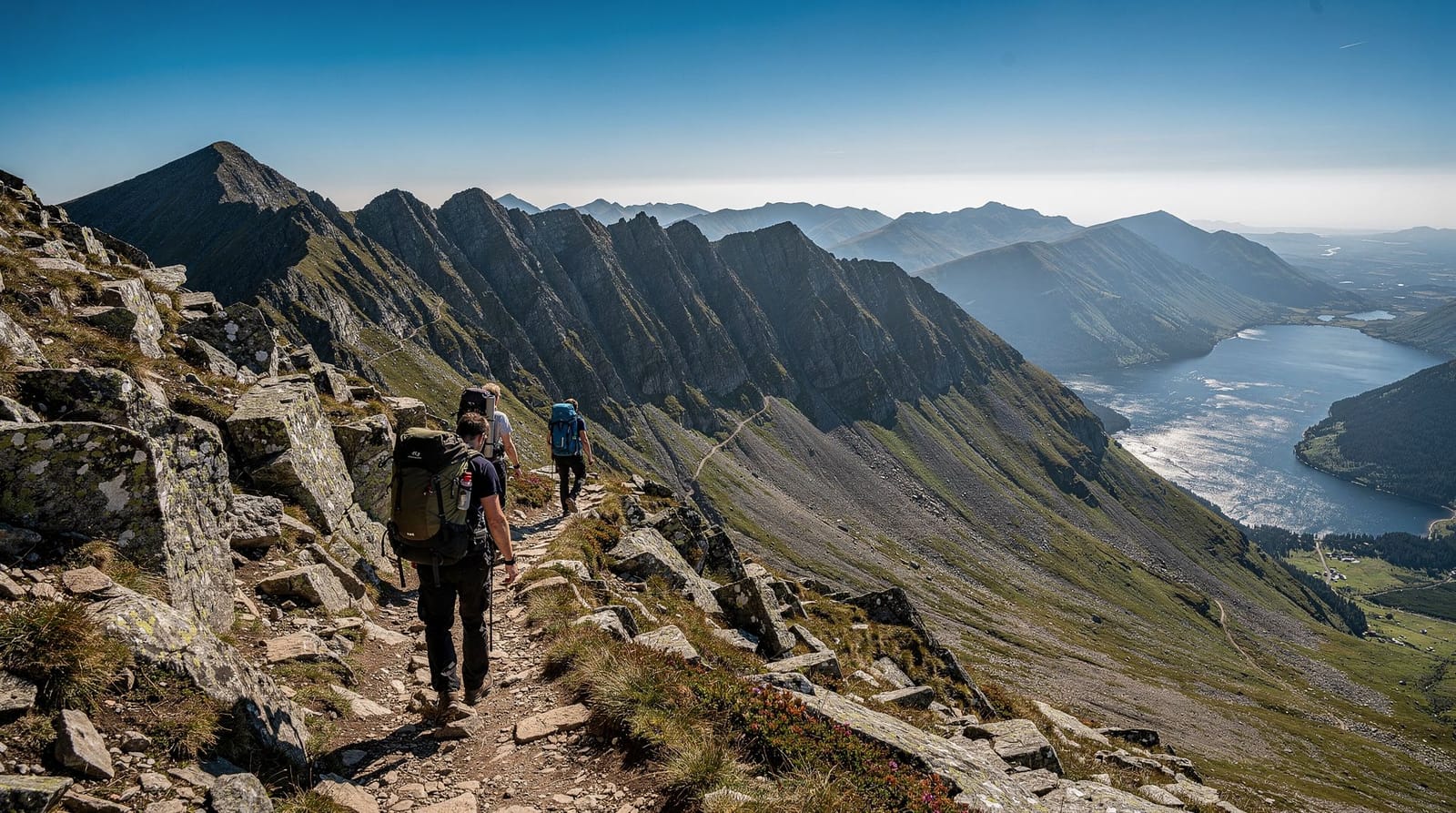
Snowdon has six main paths to the summit, ranging from the relatively gentle Llanberis Path (the longest but least steep, roughly 9 miles return, 6-7 hours) to the more exposed Crib Goch scramble (not recommended for anyone without scrambling experience and a head for heights — people die on this route most years, and it should not be attempted in poor weather or by inexperienced walkers). The Pyg Track and Miners’ Track from Pen-y-Pass are the most popular moderate options, both around 7-8 miles return.
Guided Snowdon sunrise hike is worth considering for a first Snowdon attempt — a qualified guide handles route-finding and pacing, and the sunrise timing avoids both the worst crowds and the midday heat in summer.
Snowdon summit hike from Caernarfon is the alternative if you’re based on the coast rather than planning to drive to Pen-y-Pass yourself — useful since Pen-y-Pass car park fills before 8am on summer weekends and the park authority now runs a park-and-ride system from Nant Peris on busy days.
Full route-by-route breakdown, difficulty ratings and what to actually pack at Snowdon Hiking Routes.
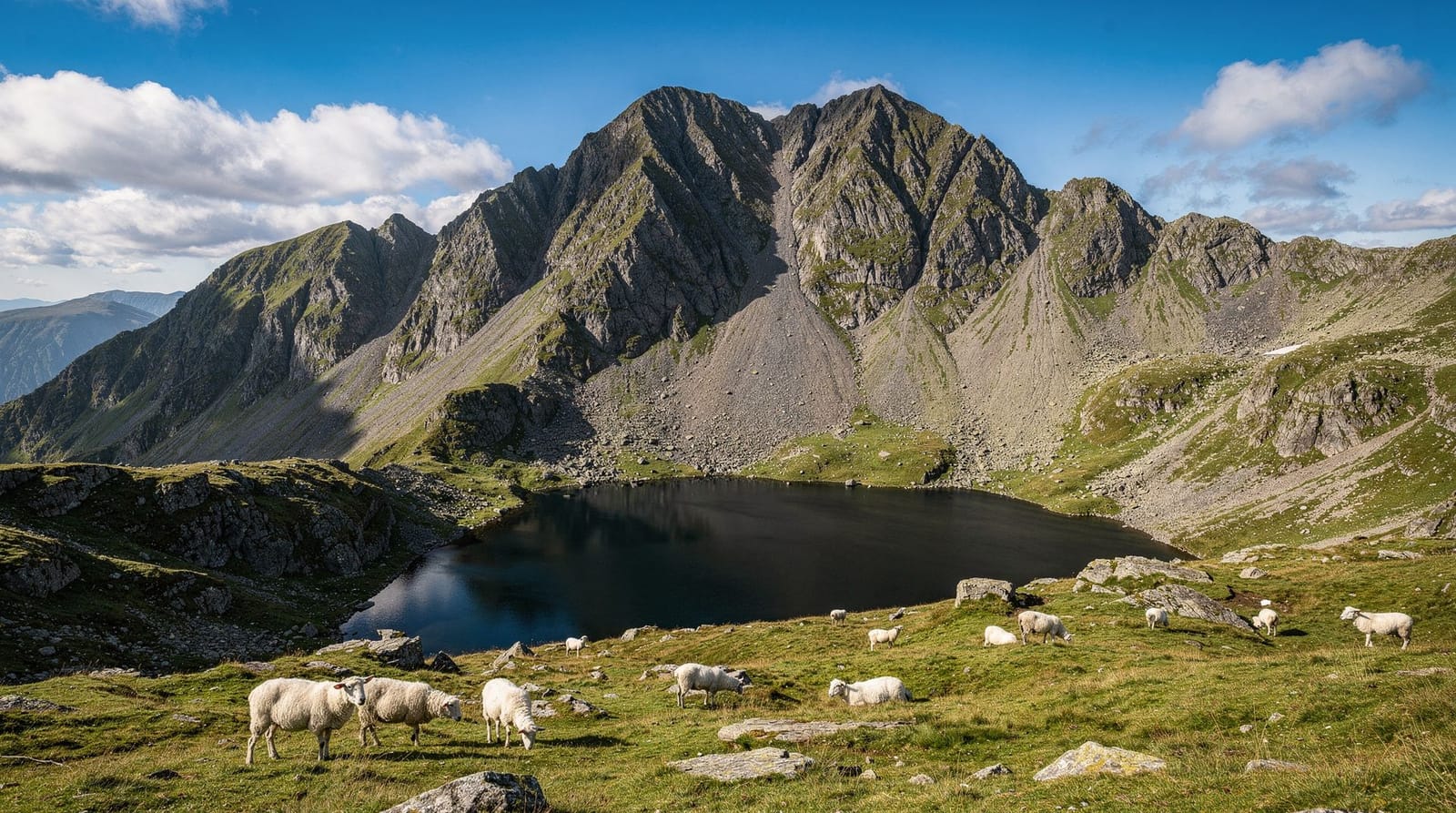
Beyond Snowdon itself, Snowdonia holds several other genuinely worthwhile peaks that see far fewer visitors: Tryfan, with its distinctive twin-summit profile and a proper scramble to the top (not a route for beginners), Cadair Idris in the park’s southern reaches, and the Glyderau range near Ogwen, known for the strange rock formations at Castell y Gwynt. None of these are realistic additions to a single Chester-based day trip, but worth knowing about if Snowdonia becomes a multi-day focus of your wider UK trip rather than a one-off visit.
Holyhead is the ferry port for Ireland and the western gateway to Snowdonia at the same time, which is why the tours starting there run to a tighter clock than those from Chester: a Snowdonia essentials shore excursion from Holyhead is built for that constraint.
The Snowdon Mountain Railway: the non-hiking option
If you want the summit view without the hike, the Snowdon Mountain Railway from Llanberis is Britain’s only public rack-and-pinion railway, running (weather permitting) roughly late March to early November — it closes for the winter season, so don’t plan a January visit around it. A return ticket runs roughly £40-50 (~€46-58) depending on whether you go all the way to the summit or a shorter mid-mountain option, and it’s genuinely worth booking ahead in summer since it sells out. Full detail at Snowdon Mountain Railway.
Heritage railways beyond Snowdon itself
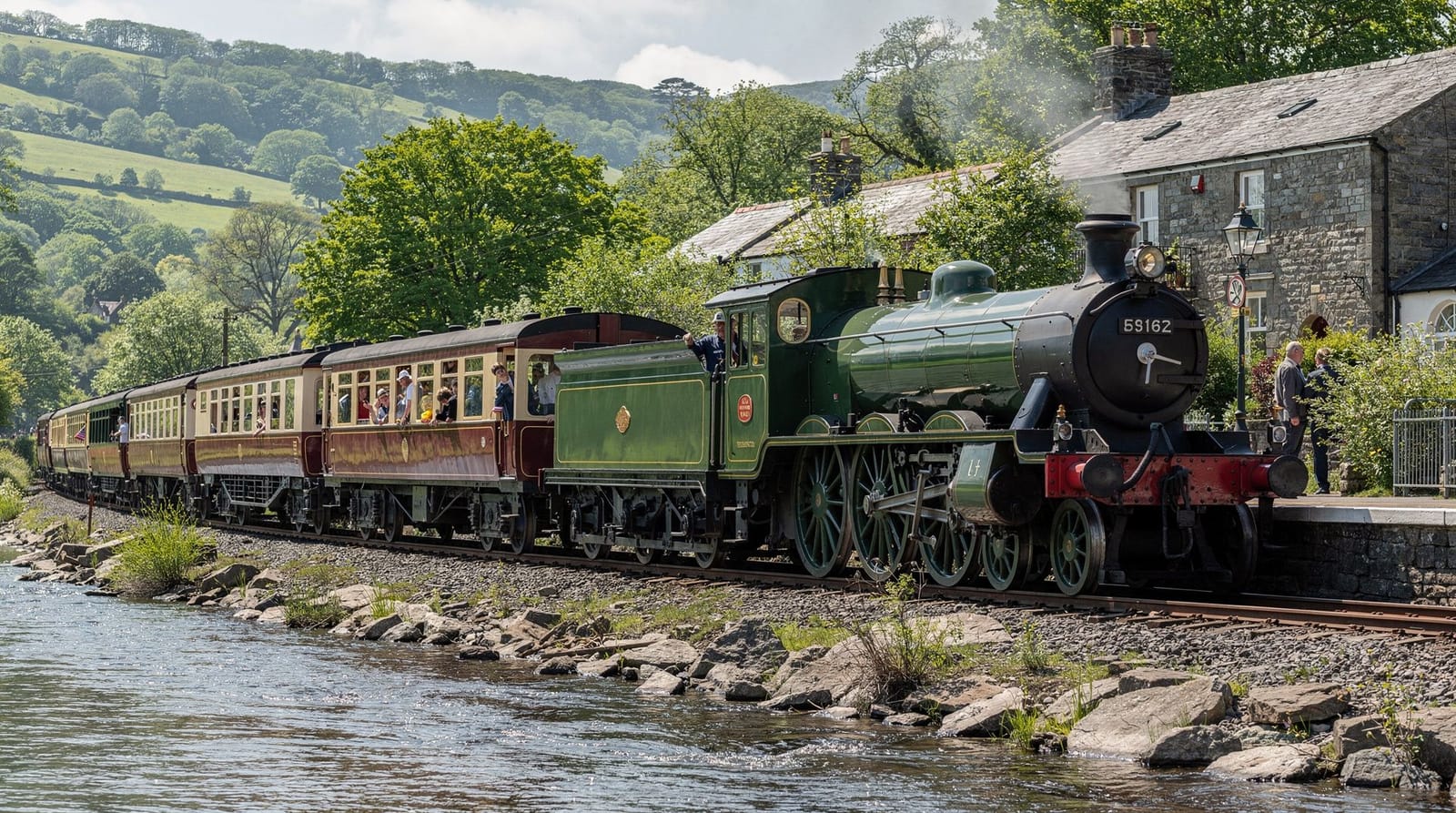
Snowdonia is unusually rich in narrow-gauge heritage railways beyond the mountain line: the Ffestiniog Railway (Porthmadog to Blaenau Ffestiniog, one of the oldest narrow-gauge railways in the world, opened 1836 for slate haulage) and the Welsh Highland Railway (Caernarfon to Porthmadog, the longest heritage railway in Britain) both run steam and diesel services through genuinely dramatic scenery. See Ffestiniog Railway, Welsh Highland Railway and the roundup at Heritage Railways North Wales.
Hafod Eryri: the summit building
The current summit building on Snowdon, Hafod Eryri, opened in 2009 and replaced a much-derided 1930s cafe that the naturalist and broadcaster (and Snowdon regular) Sir Clough Williams-Ellis — the same architect behind Portmeirion — once called the ugliest building in Wales. The current structure, low-slung and clad in local granite to blend into the mountainside, has café facilities and a viewing gallery for both hikers and Mountain Railway passengers, and is closed in winter along with the railway itself.
On a clear day the summit view extends across Anglesey, the Isle of Man and, reportedly, as far as Ireland and Scotland — though genuinely clear-visibility days are far from guaranteed given the region’s weather, and plenty of visitors reach the top to find themselves inside cloud.
Adventure activities: Zip World and Bounce Below
Former slate quarries around Blaenau Ffestiniog and Bethesda have been repurposed into some of the more unusual adventure attractions in Britain. Zip World Velocity 2 at Penrhyn Quarry claims the fastest zip line in the world (speeds over 100mph reached lying face-down), and Bounce Below at Llechwedd, Blaenau Ffestiniog, is a network of giant trampolines strung inside a disused underground slate cavern.
Bounce Below underground trampolines runs around £38 (~€44) for about an hour and needs advance booking — sessions sell out on weekends and school holidays. Full comparison of Zip World sites at Zip World Guide and the wider adventure-activity roundup at Adventure North Wales.
The slate industry that shaped the landscape
Much of what looks like natural mountain scenery in Snowdonia’s western fringe is actually industrial heritage — the region around Blaenau Ffestiniog and Llanberis was, at its peak in the late 19th century, the centre of the global slate industry, and the vast grey terraces and spoil heaps visible from the road are the direct legacy of that trade rather than natural rock formations.
The National Slate Museum at Llanberis (free entry), housed in the former Dinorwic quarry workshops beneath Snowdon itself, covers this history properly and is a good rainy-day alternative to an outdoor itinerary. In 2021, the slate landscape of North West Wales was inscribed as a UNESCO World Heritage Site in its own right, recognising the region’s role in roofing much of the 19th-century industrial world — a genuinely underrated layer of Snowdonia’s history that most first-time visitors miss entirely in favour of the mountain itself.
Language and culture: Eryri’s Welsh-speaking heart
Snowdonia sits within Gwynedd, one of the counties with the highest proportion of Welsh-speakers in Wales — in several of the smaller villages around Blaenau Ffestiniog, Betws-y-Coed and further into the Llŷn Peninsula, Welsh remains the first language of daily life rather than a symbolic signage exercise. Road signs are bilingual throughout, and it’s worth knowing a handful of place-name elements (Llyn = lake, Afon = river, Bwlch = mountain pass, Foel/Moel = bare hill) since they recur constantly across the park’s maps and signposts.
Where to stay: Betws-y-Coed vs Llanberis
Betws-y-Coed is the more established tourist base — a genuine Victorian-era gateway village with a good range of B&Bs, outdoor-gear shops (useful if you’ve arrived underprepared for the weather) and restaurants, plus the best rail connections via the Conwy Valley line. Llanberis, at the foot of Snowdon itself, is the better base specifically for hiking the mountain or riding the Snowdon Mountain Railway, with a more basic but functional range of accommodation and the advantage of being a short walk from the main trailheads rather than a bus ride away. See Betws Y Coed for the fuller village guide.
What to actually pack
Snowdonia’s weather is genuinely more volatile than the UK average even by British standards — mountain-top conditions can differ dramatically from valley-floor weather, with wind chill, low cloud and rain arriving with little warning even on days that start clear.
For anything beyond a short valley walk, proper waterproof layers, sturdy footwear with ankle support, and a map or offline GPS app (mobile signal is patchy on the higher paths) are not optional extras — mountain rescue teams in Snowdonia regularly deal with underprepared summer hikers in shorts and trainers caught out by a weather change. Even the Snowdon Mountain Railway can be cancelled at short notice for high winds at the summit, so build in flexibility if a specific day is weather-dependent.
Waterfalls and easier valley walks
Not every visit needs to involve a mountain. Betws-y-Coed sits at the confluence of several rivers and is the gateway to Swallow Falls, a short and easy walk from a roadside car park, plus the more secluded Fairy Glen gorge. See Snowdonia Waterfalls for a list graded by walking difficulty, and Betws Y Coed for the village itself as a base.
Wildlife and conservation in the park
Eryri’s varied habitats — high mountain scree, ancient oak woodland, lakes and post-industrial quarry landscapes — support a genuinely notable range of wildlife, including one of the few remaining UK populations of the pine marten (a shy, nocturnal member of the weasel family that’s recovered significantly in Wales after near-extinction in the 20th century), red squirrels in isolated pockets that have escaped competition from the invasive grey squirrel, and feral goats descended from domestic herds.
Ravens and peregrine falcons nest on several of the higher crags, and the park authority runs seasonal path closures on some routes during ground-nesting bird season — another reason to check current access notices before a spring or early-summer visit rather than assuming every path is open year-round.
Castles and Portmeirion as add-ons
Snowdonia’s boundaries touch several of the “Iron Ring” castle towns — Caernarfon and the fringes of Conwy are both within reach of a Snowdonia day, and the Italianate fantasy village of Portmeirion (used as the filming location for the 1960s TV series The Prisoner) sits just south of the park near Porthmadog, an easy add-on to a Ffestiniog Railway day. See Portmeirion, Caernarfon and Conwy.
Snowdonia National Park and three castles tour from Llandudno combines a Snowdonia scenic drive with castle stops in a single roughly 9-hour day, a practical option if you’re coast-based rather than driving yourself.
Where to eat
Snowdonia’s food scene is built around hearty, practical hiker fare rather than fine dining — Welsh lamb, cawl (a traditional broth-based stew) and hearty pub meals dominate menus in Betws-y-Coed and Llanberis. Pete’s Eats in Llanberis, a long-running climbers’ and hikers’ café, is a genuine local institution rather than a tourist-oriented add-on, and a reliable pre- or post-hike stop for a large, cheap meal. Expect fewer fine-dining options here than on the coast at Llandudno or Conwy — this is a region visited for the outdoors, not the restaurant scene.
Honest cautions
Snowdon’s popular paths get genuinely crowded on summer weekends — arrive before 9am or consider a weekday. Crib Goch is not a beginner route and has claimed lives; don’t be talked into it by an ambitious itinerary if you don’t have scrambling experience. The Snowdon Mountain Railway and several Zip World sites close in winter or run reduced schedules — always check seasonal opening before building a trip around a specific attraction, and pack for rain regardless of forecast; North Wales mountain weather changes fast.
Photography and the best light in the park
Snowdonia rewards early starts for photography — mist commonly sits in the valleys at dawn even on days that clear to bright sunshine by mid-morning, and the light on the higher ridges around Tryfan and the Glyderau is often at its most dramatic in the first and last hour of daylight. Llyn Padarn and Llyn Ogwen, both roadside lakes, are reliable spots for reflective shots of the surrounding peaks on a still morning, and neither requires a hike to reach. If photography is a priority alongside hiking, building in an early departure from Chester or an overnight stay near Llanberis or Betws-y-Coed makes a genuine difference to what you come away with.
Snowdonia with children
Families generally do best sticking to the gentler side of Snowdonia rather than attempting a full Snowdon hike with young children — the Snowdon Mountain Railway gives the summit experience without the climb, Bounce Below and the easier Zip World options suit older children and teenagers, and Swallow Falls near Betws-y-Coed is an easy, short walk with genuine reward at the end. The National Slate Museum at Llanberis (free) is a solid rainy-day fallback with hands-on demonstrations. See Family Days Out Cheshire and Chester with Kids for how a Snowdonia day compares to gentler Cheshire-based options.
A realistic first-timer’s day from Chester
If you’re short on time and driving yourself, a sensible single-day loop takes in Betws-y-Coed for a short waterfall walk, Llanberis for the Snowdon Mountain Railway or a look at the National Slate Museum, and a scenic drive back through the Ogwen Valley if daylight allows. Trying to add a serious Snowdon hike to the same day as a castle stop or Portmeirion visit is genuinely overambitious given the driving and walking time involved — pick Snowdonia as its own focused day rather than folding it into a broader North Wales taster itinerary if hiking is your priority.
Frequently asked questions about Snowdonia
Is Snowdonia called Eryri now?
Officially, yes — the park authority adopted the Welsh name Eryri (and Yr Wyddfa for Snowdon) in 2023. Both names remain in everyday and tourism use, and you’ll see either on signage, transport and tour listings.
Do you need a car to visit Snowdonia?
It helps considerably — the park has no direct rail line through the interior. Without a car, the realistic options are the coast-line-plus-bus route via Llandudno Junction to Betws-y-Coed or Llanberis, or a guided day tour from Chester, Llandudno or Manchester.
How hard is it to hike Snowdon?
The Llanberis Path and Miners’ Track are moderate and achievable for reasonably fit walkers with no scrambling experience, taking 6-8 hours return. Crib Goch is a genuine scramble with exposure and is not suitable for beginners or poor weather.
Is the Snowdon Mountain Railway open all year?
No — it typically runs late March to early November, weather permitting, and closes for winter. Check the current season dates before planning a trip specifically around it.
What is Bounce Below?
A network of trampolines and net walkways built inside a disused underground slate cavern near Blaenau Ffestiniog — one of Snowdonia’s more unusual adventure attractions, bookable in advance.
Can you visit Snowdonia as a day trip from Chester?
Yes, though it’s a longer day than Chester’s other rail day trips — budget roughly 1h50-2 hours of travel time each way without a car, or about 1h15 by car, so an early start matters.
Is Portmeirion in Snowdonia?
It sits just outside the park boundary near Porthmadog but is commonly combined with a Snowdonia day, particularly alongside the Ffestiniog Railway which runs close by.
What’s the best month to visit Snowdonia?
May to September for reliable hiking conditions, the Snowdon Mountain Railway’s full season and long daylight hours. Autumn brings dramatic colour but shorter days and wetter weather; winter can bring genuinely alpine conditions on the higher paths.
Is Snowdonia suitable for a family day trip?
Yes, if you stick to the gentler options — the Snowdon Mountain Railway, Swallow Falls and the National Slate Museum all work well with children, while a full Snowdon hike suits older, more experienced walkers.
Do I need to book Bounce Below or Zip World in advance?
Yes, strongly recommended — sessions sell out on weekends and school holidays, and both require advance booking rather than turning up on the day.
Top experiences
Bookable activities with verified prices and instant confirmation on GetYourGuide.