Lake District: Windermere, Beatrix Potter and an honest day-trip warning
Lake District guide from Chester: Windermere cruises, Beatrix Potter sites and honest advice on why this is the most ambitious day trip in the guide.
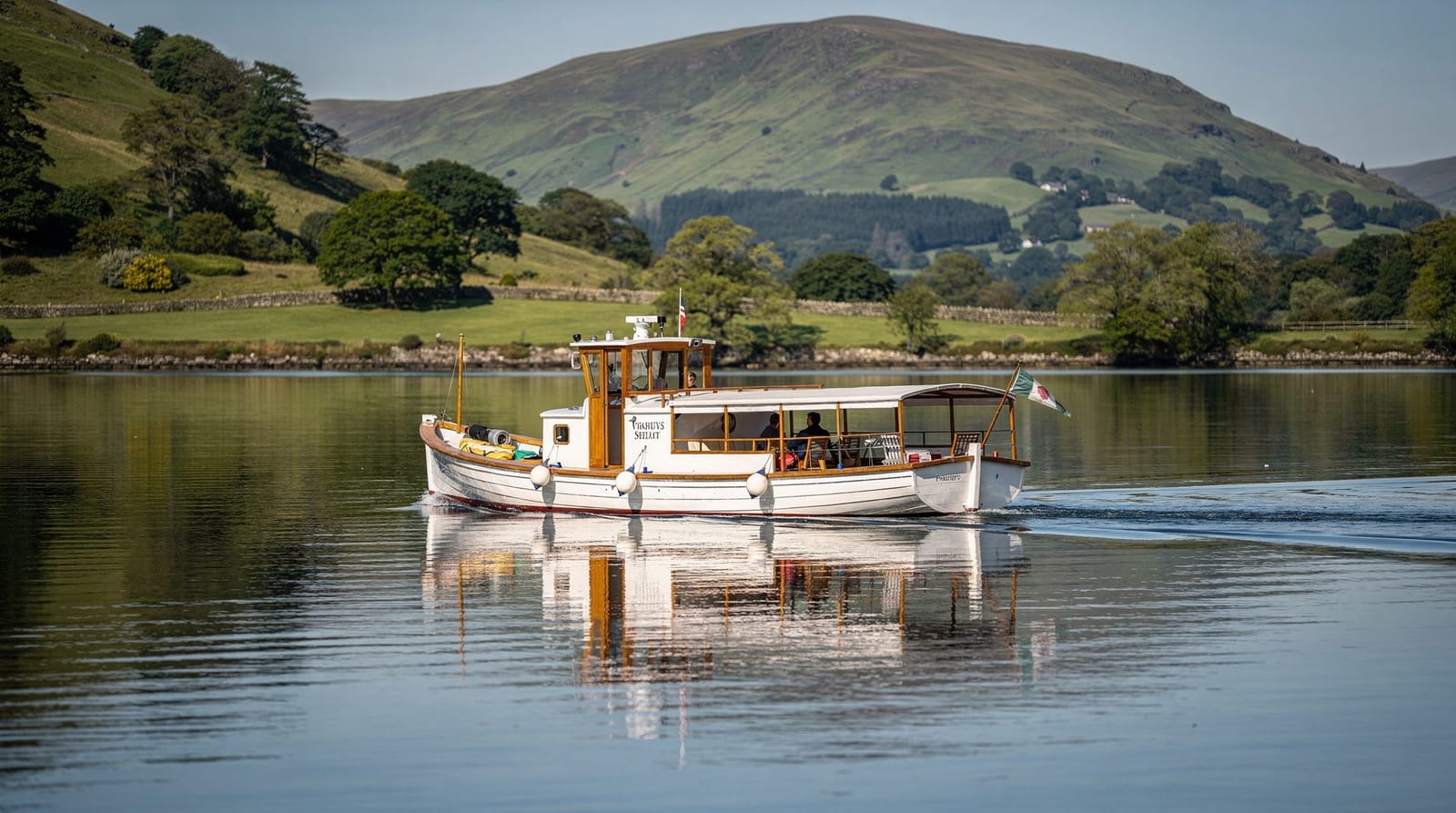
Windermere Yellow Cruise: Sail Between Bowness and Lakeside
Duration: 1.5 hours
Quick facts
- From Chester
- ~2h-2h30 by train (change at Oxenholme), or ~1h30-1h45 by car
- England's largest lake
- Windermere, 10.5 miles long
- National park size
- England's largest national park
- Known for
- Windermere cruises, Beatrix Potter's Hill Top, fell walking
- Currency
- GBP (£)
Quick answer: The Lake District is England’s largest national park, centred on Windermere, England’s largest lake at 10.5 miles long. From Chester, it’s genuinely the most ambitious day trip in this guide — roughly 2-2.5 hours by train (changing onto the branch line at Oxenholme) or 1h30-1h45 by car, each way. A single day is possible with an early start, but this is the one destination where an honest planner recommends considering an overnight stay instead of rushing it.
| Where | Cumbria, centred on Windermere |
| Cost | Cruise ~£25-27; Beatrix Potter tour and rail add to the day |
| Time needed | A very full single day, or a more relaxed 2 days |
| Getting there | ~2-2.5h train via Oxenholme, or ~1h30-1h45 by car |
| Best time | May to September for weather and full cruise timetables |
The honest headline: this is a long day trip
Every other destination in this guide is reachable from Chester within roughly an hour to ninety minutes. The Lake District is not — the West Coast Main Line gets you as far as Oxenholme in around 1h40-1h50, then a branch line adds another 20 minutes to Windermere station itself, for a realistic door-to-door time of 2 to 2.5 hours each way. That means a single-day round trip eats 4-5 hours purely in transit, leaving a genuinely tight window to actually see anything.
If your schedule allows it, one night in or near Bowness-on-Windermere turns a rushed dash into a proper visit — worth factoring into your Chester trip planning rather than defaulting to a day trip because it’s listed alongside Liverpool and Manchester on Day Trips from Chester.
National park scale: bigger than it looks on a map
The Lake District National Park covers roughly 900 square miles, making it England’s largest national park — considerably larger in area than Snowdonia and vastly larger than the compact coastal stretch covered by Conwy and Llandudno. Windermere, though the park’s most-visited single feature, represents only a fraction of the wider park, which extends west to the coast and takes in dozens of other lakes (Ullswater, Derwentwater, Coniston Water) and fell ranges well beyond a single day’s realistic reach from Chester — another reason this page repeatedly steers a first-time visitor toward Windermere specifically rather than attempting the whole park in one trip.
Windermere: England’s largest lake
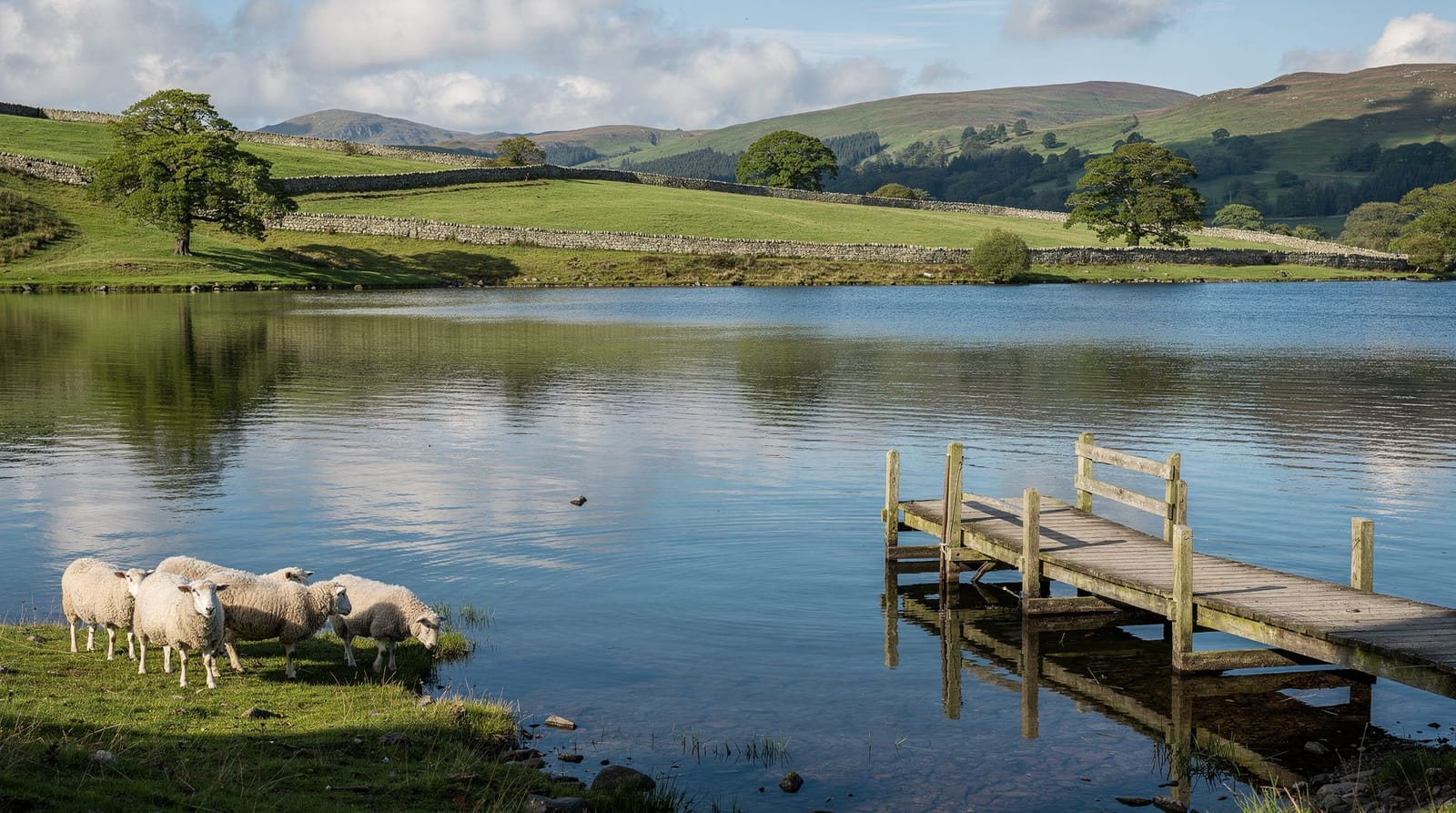
Windermere stretches 10.5 miles from Ambleside in the north to Lakeside in the south, and Bowness-on-Windermere, roughly midway along the eastern shore, is the main hub for boats, shops and the World of Beatrix Potter attraction. The lake itself, rather than any single town, is the main event — most visitor time here is spent on or looking at the water rather than in any particular building.
Windermere Yellow Cruise (Bowness to Lakeside) and Windermere Red Cruise (Bowness to Ambleside) are the two classic short cruise routes, each roughly 70-90 minutes one-way and reasonably priced (£25-27 / ~€29-31) — a genuinely relaxing way to see the lake’s full length without driving the narrow lakeside roads yourself, which get congested in summer.
Beatrix Potter’s Lake District
The children’s author and illustrator Beatrix Potter lived in the area for much of her adult life and used her farming income and book royalties to buy up a substantial amount of Lake District land, later bequeathed to the National Trust — a preservation legacy as significant as her books themselves in shaping how much of this landscape looks today. Hill Top, her farmhouse at Near Sawrey, is preserved largely as she left it and remains one of the National Trust’s most visited properties in the region, though it operates timed-entry tickets that sell out in summer.
Beatrix Potter half-day tour is a practical option for covering Hill Top and the wider Near Sawrey area without navigating the narrow local roads or timed-ticket system yourself. The World of Beatrix Potter attraction in Bowness itself is a more theatrical, family-oriented alternative if the genuine farmhouse’s limited capacity is a barrier — a different product, not a substitute, and worth knowing the distinction before you book either.
The Wordsworth connection
Beyond Beatrix Potter, the Lake District’s other major literary figure is William Wordsworth, whose Romantic-era poetry (much of it directly inspired by this landscape) helped establish the region’s reputation as a place of natural beauty worth protecting in the first place — a lineage that arguably led, decades later, to the creation of the National Trust and the Lake District’s status as England’s largest national park.
Dove Cottage in Grasmere, where Wordsworth lived for much of his most productive period, and the nearby Wordsworth Museum are both open to visitors, though Grasmere sits further north than a typical Chester day-trip itinerary comfortably reaches — more realistic as part of a multi-day stay than a single rushed day focused on Windermere itself.
Fell walking: for a longer stay
The Lake District’s fells (the local term for its mountains and hills) range from gentle valley walks to serious mountain routes — Scafell Pike, England’s highest peak, sits within the wider national park though well beyond a Chester day-trip radius. For a single day focused on Windermere itself, fell walking generally isn’t realistic given the travel time already spent; it’s a strong argument, alongside Hill Top’s limited capacity, for treating the Lake District as an overnight rather than a single rushed day.
Why this national park is different from Snowdonia
Travellers who’ve also read this site’s Snowdonia guide might wonder how the two national parks compare, since both feature prominently in a North West England-based trip. The Lake District is gentler in character overall — its fells, while genuinely challenging at the higher end (Scafell Pike, Helvellyn), are on the whole less extreme than Snowdonia’s more rugged, rockier terrain, and the region’s identity leans more heavily on lakes, literary heritage and a softer, more manicured rural beauty than Snowdonia’s starker mountain-and-slate-quarry landscape.
Practically, the Lake District is also considerably further from Chester than Snowdonia, which sits right on the city’s doorstep — a genuine factor in deciding which one deserves the bigger chunk of a limited trip if you can’t do both properly, and Best Day Trips by Train weighs both against this site’s other options directly.
Getting there from Manchester as an alternative
Given Chester’s longer travel time to the Lake District, some visitors base a Lake District trip from Manchester instead — see Chester to Manchester if you’re weighing which city to use as your base — since Manchester has more frequent direct tour departures.
Lake District tour and Windermere cruise from Manchester is worth considering if you’re splitting your UK trip between Chester and Manchester, or if Manchester’s transport links work better for your specific itinerary. See Manchester for the wider case for basing part of a trip there.
Kendal: the gateway town
Kendal, just before the Windermere branch line splits off the main line, is a market town with its own modest attractions — Kendal Castle ruins (birthplace, according to local tradition, of Catherine Parr, Henry VIII’s sixth and surviving wife), the Quaker Tapestry Museum, and the source of Kendal Mint Cake, a dense sugar-and-peppermint bar traditionally carried by mountaineers (famously taken on the first successful Everest summit in 1953, and reportedly shared at the summit itself by Edmund Hillary and Tenzing Norgay).
Abbot Hall Art Gallery, in a Georgian townhouse by the River Kent, holds a genuinely well-regarded collection for a town of Kendal’s size. It’s a reasonable stop if you have flexible timing on the train route, though most visitors pass straight through toward Windermere without stopping.
Ambleside and Hawkshead
Ambleside, at the northern end of Windermere, has a slightly more low-key, walker-oriented character than Bowness’s tourist-facing waterfront, plus the curiosity of Bridge House, a tiny 17th-century building constructed directly over a stream — originally believed (probably apocryphally) to have been built there specifically to avoid land tax, since it technically occupied no taxable ground.
Hawkshead, a short distance inland and reachable by a passenger ferry across the lake from the Bowness side plus a short bus connection, is a well-preserved village with its own Beatrix Potter Gallery (housed in her husband’s former solicitor’s office, displaying original watercolour illustrations from her books) and the grammar school Wordsworth attended as a boy — a good pairing if you’re already exploring the Hill Top area, since Near Sawrey sits almost directly between Hawkshead and the lake’s western shore.
The National Trust’s outsized role here
More than perhaps anywhere else covered in this guide, the National Trust shapes what’s actually open to visitors in the Lake District — a direct legacy of Beatrix Potter’s land donations and a broader pattern of 20th-century conservation efforts that placed huge swathes of the fells and several historic properties (Hill Top, Wray Castle, and significant tracts of farmland) under Trust ownership specifically to prevent overdevelopment of the landscape. Practically, this means a National Trust membership can pay for itself quickly if you’re visiting multiple properties in one trip, and it’s worth checking before buying individual tickets at each site.
Steam and vintage transport beyond the boats
Windermere’s boat cruises get most of the transport-as-attraction attention, but the wider Lake District also holds the Lakeside and Haverthwaite Railway, a preserved steam line connecting to the southern end of Windermere at Lakeside, giving a genuine steam-train-plus-boat combined day out for visitors who enjoy heritage transport (a milder, more accessible equivalent of Snowdonia’s mountain and narrow-gauge railways). Combined tickets covering both the steam railway and a Windermere cruise are generally available and worth considering if you’re building a full day around transport-as-scenery rather than walking or driving between sights.
Cumbrian food and drink
The Lake District has a genuinely distinct regional food identity worth seeking out beyond generic pub fare. Herdwick lamb, from the hardy native sheep breed specifically adapted to the fells (and another beneficiary of Beatrix Potter’s conservation work, since she bred and championed Herdwicks on her farms), features on menus throughout the region.
Grasmere Gingerbread, made to a secret recipe since 1854 at a single shop in the village, is a genuine local institution rather than a generic tourist souvenir — queues form outside in peak season. Cumberland sausage, a distinctively long, coiled pork sausage with its own protected geographical status, and Kendal Mint Cake (mentioned above for its mountaineering history) round out the region’s specific culinary identity, all worth seeking out over a generic “British pub” meal if you have the time.
Where to stay if extending beyond a day trip
Given the honest recommendation above to consider an overnight stay, Bowness-on-Windermere and Ambleside are the two most practical bases — Bowness for proximity to the boat cruises and World of Beatrix Potter, Ambleside for a slightly quieter, more walker-oriented atmosphere and better access to fell-walking trailheads. Windermere town itself (distinct from Bowness, a mile or so inland and closer to the railway station) offers a third, generally cheaper option at the cost of a short walk or bus ride to the lakeside action.
Accommodation books up significantly in summer and around bank holidays — earlier booking matters more here than for the shorter Chester day trips covered elsewhere in this guide, given the smaller overall stock of rooms relative to demand in peak season. See Where to Stay Chester for a comparison of committing to a Lake District overnight versus staying based in Chester throughout and travelling out for the day.
Honest cautions
The travel time from Chester is the central planning issue on this page — don’t underestimate it, and don’t assume the Lake District fits the same “day trip” mould as Liverpool or Llandudno. Hill Top’s timed-entry tickets sell out well in advance in peak summer; book ahead rather than turning up. The narrow lakeside roads (particularly around Hawkshead and the western shore) get genuinely congested on summer weekends, another reason the boat cruises are often a better use of time than driving yourself around the lake’s edge. And weather in the fells changes fast even when Windermere itself looks calm — pack for rain and temperature drops regardless of the forecast at lake level.
Grasmere and Rydal Water as a further extension
Beyond Wordsworth’s Dove Cottage itself, the short valley walk between Grasmere and Rydal Water is one of the gentler, more accessible lakeside walks in the wider national park, taking in Rydal Mount (Wordsworth’s later, larger home) along the way. It’s a natural pairing with an overnight stay near Ambleside rather than a single-day addition from Chester, given how much travel time Windermere itself already consumes — worth flagging for anyone extending a Lake District visit into two or three days rather than trying to squeeze it into the same rushed day as the boat cruises.
Coniston and Ullswater: for a second visit
Once you’ve done the Windermere basics, Coniston Water and Ullswater are the two other lakes most worth the extra driving on a second Lake District trip. Coniston is associated with the world land- and water-speed record attempts of Donald Campbell (who died there in 1967 attempting to break his own record), and the Coniston Launch and Steam Yacht Gondola both run heritage lake cruises. Ullswater, often ranked the most scenically dramatic of the lakes, has its own steamer service and a genuinely quieter atmosphere than Windermere’s more developed shoreline — both are a stretch too far for a Chester day trip but worth knowing about if the Lake District becomes a multi-day focus rather than a single visit.
A realistic single-day itinerary from Chester
If you’re committing to the single-day option despite the honest caution above, an early train (aim to be on the first realistic departure) gets you into Windermere station by mid-morning. A Yellow or Red Cruise covers two to three hours including boarding and disembarking, leaving an afternoon window for Bowness’s waterfront and a light lunch before the return journey. Trying to add Hill Top or Hawkshead on top of a cruise in the same single day is genuinely tight given the return travel time — pick the cruise or Hill Top as your day’s anchor activity rather than both, and see Chester to Lake District for exact train timings to work backward from your last realistic return service.
Planning your visit
Chester Lake District Trip builds a realistic multi-day plan around this destination rather than squeezing it into a single rushed day, and Chester to Lake District covers the transport options (train via Oxenholme, direct coach options, and driving) in full detail. If you’re deciding between the Lake District and Blackpool as a longer day trip from Chester, Best Day Trips by Train compares the two directly on time, cost and what each actually delivers.
Frequently asked questions about the Lake District
Can you visit the Lake District as a day trip from Chester?
Yes, but it’s genuinely the most ambitious day trip in this guide — budget 2-2.5 hours of travel each way by train (changing at Oxenholme) or 1h30-1h45 by car, leaving a tight window to actually see anything. An overnight stay is the honest recommendation if your schedule allows it.
How do you get from Chester to Windermere by train?
Take the West Coast Main Line to Oxenholme, then change onto the short branch line to Windermere station, a total journey of roughly 2-2.5 hours depending on connections.
Is Hill Top worth booking in advance?
Yes, strongly — Beatrix Potter’s farmhouse at Near Sawrey operates timed-entry tickets that sell out well ahead in peak summer, given the property’s limited capacity for preserving its original interior.
What’s the difference between the Lake District and Snowdonia?
The Lake District has gentler, more rounded fells and a stronger literary heritage (Wordsworth, Beatrix Potter); Snowdonia is rockier, more rugged, and built around a single dominant peak (Snowdon/Yr Wyddfa). The Lake District is also considerably further from Chester than Snowdonia.
Which Windermere cruise should I choose?
The Yellow Cruise (Bowness to Lakeside) covers the lake’s southern reach, while the Red Cruise (Bowness to Ambleside) covers the northern stretch toward Wordsworth country — choose based on which end of the lake, or which literary connection, interests you more, or do both if you have a full day.
Is Bowness-on-Windermere the same as Windermere town?
No — Windermere town sits a mile or so inland near the railway station, while Bowness-on-Windermere is the lakeside settlement with the boat piers and World of Beatrix Potter attraction. Most visitors mean Bowness when picturing “Windermere” as a destination.
Can you do the Lake District and Snowdonia on the same trip from Chester?
Yes, but not comfortably on the same day — each deserves its own day given the travel time involved, so a longer multi-day Chester-based trip works better than trying to combine both destinations into one rushed itinerary.
Is Coniston or Ullswater worth adding to a Chester-based trip?
Only if you’re staying more than a single day — both are genuinely worthwhile but add further driving or bus time beyond Windermere itself, which is already the most ambitious day trip in this guide from Chester.
Do I need to book the Windermere cruises in advance?
It’s not strictly required outside peak summer weekends, but booking ahead guarantees a sailing time and avoids a wasted wait at the pier if a popular departure sells out.
Top experiences
Bookable activities with verified prices and instant confirmation on GetYourGuide.