Wrexham AFC guide — Ryan Reynolds, the Racecourse Ground and the promotion story
Welcome to Wrexham: Half-Day Tour of Wrexham
Duration: 3 hours
Why is Wrexham AFC famous, and can you visit the ground from Chester?
Wrexham AFC, the world's oldest club still playing at its original ground (the Racecourse Ground, since 1864), became a global story after Hollywood actors Ryan Reynolds and Rob McElhenney bought the club in 2021 and documented its rise from the National League through three successive promotions into the Football League. Wrexham is a direct 20-25 minute train from Chester, making it an easy half-day trip, with stadium tours and match tickets both bookable in advance.
From non-league obscurity to global recognition
Wrexham AFC spent much of the 2010s in England’s fifth tier, the National League, watched by a loyal but modest crowd in a town better known outside Wales for its historic role in North East Wales’s industrial and mining heritage than for its football club. That changed in November 2021, when Hollywood actors Ryan Reynolds and Rob McElhenney completed a takeover of the club, bringing with them not just investment but a documentary crew, resulting in the FX/Disney+ series “Welcome to Wrexham” that turned a small Welsh football club into a genuinely global story.
What followed on the pitch matched the off-field attention: Wrexham won the National League title in 2023, securing promotion back into the Football League for the first time in over a decade, then won successive promotions in the following two seasons, climbing through League Two and League One at a pace almost unheard of in English football’s lower divisions.
For visitors, the appeal is twofold — genuine football history (the Racecourse Ground’s claim as the world’s oldest international football stadium still in use predates the Reynolds-McElhenney era by well over a century) and the very current phenomenon of watching a documentary-famous club continue its rise in real time.
| Where | Racecourse Ground, Wrexham, North Wales |
| Getting there | Direct train from Chester, around 20-25 minutes |
| Time needed | Half a day for a stadium tour plus town centre |
| Cost | Tours and tickets more accessible than Premier League grounds |
| Booking | Book ahead — demand has risen sharply since 2021 |
The Racecourse Ground
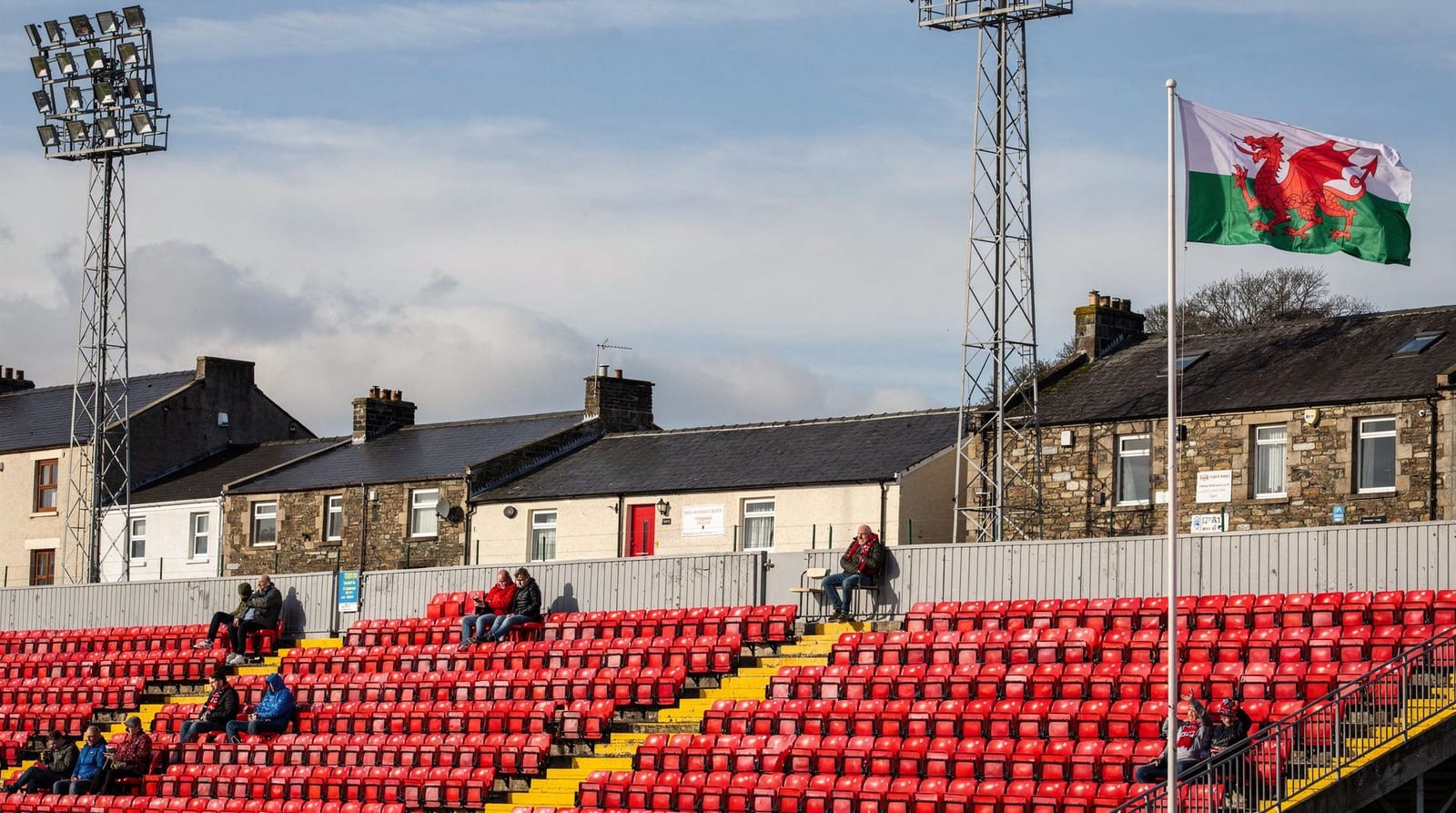
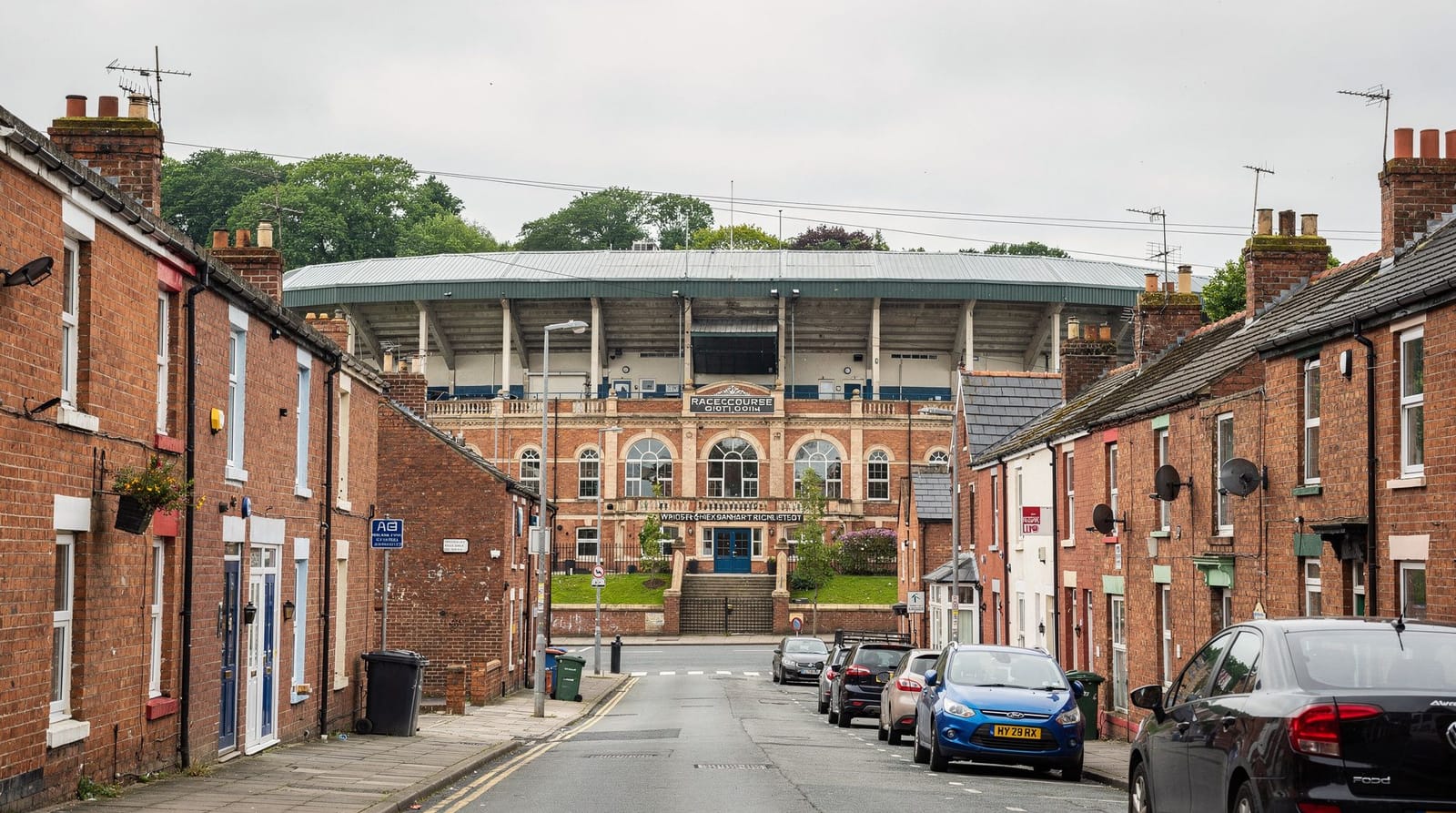
The stadium itself, known locally simply as “the Racecourse,” has hosted Wrexham AFC since the club’s 1864 founding, making the ground and the club both remarkably old by football standards. It hosted its first international football fixture in 1877 (Wales v Scotland) and is recognised as the oldest continuously used international football stadium in the world. The older sections of the ground — including the Kop, a traditional standing-turned-seated terrace common to many historic British grounds — sit alongside newer redevelopment funded by the current ownership’s investment, giving the stadium a genuine mix of heritage and modern renewal that’s fairly unusual to see in one place.
Visiting on a non-matchday
The Welcome to Wrexham half-day tour combines a stadium visit with a wider look at the town, giving context for both the football story and Wrexham itself beyond the documentary lens — useful if this is your only stop in the town, since it doesn’t assume prior knowledge of Wrexham’s own history. For a shorter, more focused visit, the Wrexham walking tour covers the town centre and stadium approach in around two hours, a good fit if you’re combining Wrexham with another destination the same day.
Given the surge in visitor interest since the 2021 takeover, booking ahead is genuinely worth doing rather than assuming walk-up capacity, particularly on weekends when both football tourists and general “Welcome to Wrexham” fans now visit in numbers the club wasn’t set up for a decade ago.
Getting match tickets
Ticket demand has risen sharply alongside the club’s on-pitch success and global profile — a stadium and fixture list built around National League crowds is now serving a club playing (and winning promotion) at progressively higher levels, with international attention driving demand from visitors who’d never previously have considered a lower-league English or Welsh fixture. Popular home fixtures, and certainly anything involving a promotion-chasing context, can sell out well ahead of matchday. Check the club’s official ticketing channel directly and well in advance rather than assuming availability on the day, especially if your Chester trip dates are fixed around a specific fixture you want to attend.
Getting to Wrexham from Chester
This is one of the most convenient rail day trips covered anywhere in this guide: Wrexham General station is a direct train from Chester, taking around 20-25 minutes with frequent services throughout the day — no change required, unlike the Liverpool or Manchester routes. From the station, the Racecourse Ground is a 15-20 minute walk through the town centre, or a short, inexpensive taxi ride.
The whole round trip from Chester, including a stadium tour or match, comfortably fits into a half-day, leaving time to explore the town centre or continue on to nearby North Wales attractions if you have a full day available. See our Wrexham destination guide for the wider town beyond the football club, and day trips from Chester guide for how Wrexham compares to other short rail hops.
The town beyond the football club
Wrexham itself has its own history worth an hour or two beyond the stadium — a historic town centre, the Pontcysyllte Aqueduct a short distance away (a UNESCO World Heritage Site and one of the more spectacular pieces of canal engineering in Britain), and a genuine industrial heritage tied to coal mining and steel that predates the football club’s recent fame by well over a century.
Visitors arriving purely for the “Welcome to Wrexham” phenomenon sometimes skip this context entirely, which is a shame — the club’s current story makes more sense once you understand the town’s broader post-industrial identity and why a Hollywood-backed revival became such a significant local and national talking point in Wales.
How a Wrexham trip compares to Liverpool and Manchester football visits
| Wrexham (Racecourse Ground) | Liverpool (Anfield) | Manchester (Old Trafford) | |
|---|---|---|---|
| Journey from Chester | Direct train, 20-25 minutes | Around 45-60 minutes, may require a change | Around 1 hour, may require a change |
| Time needed | Half a day | A full day is more realistic | A full day is more realistic |
| Ticket/tour demand | Rising fast, but still more accessible | High, book well ahead | High, book well ahead |
| Best for | A short, distinctive stop with a documentary hook | Fans wanting the full Premier League matchday scale | Fans wanting the full Premier League matchday scale |
Given the short journey, Wrexham suits visitors who want a genuine football story without giving up a whole day, while Liverpool and Manchester reward the extra travel time with larger stadiums and a longer list of things to do around them — see our Liverpool football guide for how that compares in more depth.
Is the documentary worth watching before you visit
“Welcome to Wrexham” is genuinely well made and gives real access to boardroom decisions, dressing-room moments and fan reactions that add texture to a visit — watching even a few episodes before your trip will make the stadium tour and match-day atmosphere land differently than going in cold. It is, like any produced documentary series, edited for narrative arc and emotional beats, so treat it as a well-sourced but stylised account rather than a neutral record — the core facts of the takeover, the financial investment, and the promotion run are independently verifiable and match what the show depicts.
Combining Wrexham with the rest of North Wales
Wrexham sits at the eastern edge of North Wales, making it a natural add-on to a wider day exploring the region rather than requiring a dedicated trip on its own, given how short the train journey from Chester is. Combine a morning stadium tour or match with an afternoon at the Pontcysyllte Aqueduct, or extend further into North Wales via Llangollen for its heritage railway and canal boat trips.
Our North Wales castles road trip itinerary and day trips from Chester guide both cover how Wrexham fits into a broader North Wales day or multi-day trip, and our Liverpool football guide and Manchester football guide give the comparison if you’re building a football-themed multi-city trip across the wider North West and North Wales.
Tourist traps to avoid
The surge in “Welcome to Wrexham” tourism has, predictably, brought a rise in unofficial tour operators and merchandise sellers around the ground on matchdays — stick to the club’s official shop and verified tour operators rather than street sellers offering “insider” merchandise or tours at a discount, since neither guarantees authenticity or accuracy. Parking directly around the Racecourse Ground is limited on matchdays; arriving by train avoids this entirely and is, given the short 20-25 minute journey from Chester, genuinely the easier option regardless of parking concerns.
Practical booking notes
Book stadium tours and, if relevant, match tickets as far ahead as possible given the sustained rise in visitor interest since 2021 — this is not a club still operating on National League-era assumptions about demand, even though ticket and tour prices remain more accessible than Premier League equivalents at Anfield, Old Trafford or the Etihad. Bring comfortable shoes for the stadium tour’s walking sections, and check the fixture list before planning a non-matchday visit, since tours are typically suspended around home fixtures in the same way as the larger Premier League grounds covered elsewhere in this guide.
The ownership story in more detail
Ryan Reynolds and Rob McElhenney’s interest in Wrexham began, by their own account, almost as a search for an underdog story worth investing in and documenting — a small, historic club with passionate but modest support, playing well below where its history suggested it belonged. The 2021 takeover was initially met with a mixture of curiosity and scepticism locally, a natural reaction to Hollywood ownership arriving in a town more accustomed to being overlooked than courted.
What changed that scepticism, more than the documentary itself, was consistent reinvestment in the squad, the stadium, and the club’s youth and community set-up, alongside promotion delivered on the pitch rather than simply promised in press releases. By the time the club secured its third successive promotion, the ownership’s credibility in the town was well established, and the global attention the documentary generated had translated into tangible benefits — increased matchday revenue, international sponsorship interest, and a visitor economy around the club that didn’t meaningfully exist before 2021.
What changed on the pitch
The football itself improved alongside the investment, but Wrexham’s promotion run wasn’t simply a case of money buying results in the way it sometimes can in lower-league English football — squad building was gradual, and the club leaned on experienced lower-league players alongside a handful of higher-profile signings, rather than an immediate wholesale rebuild.
That approach is part of why the story resonated beyond football fans specifically: it read as a methodical rebuild with real investment behind it, rather than a vanity project that bought its way up the leagues in a single transfer window. Visitors who watch the documentary before their trip will recognise several of the players who featured across the promotion seasons, adding a layer of recognition to a stadium tour or matchday visit that a purely historical account of the ground wouldn’t provide on its own.
Wrexham’s place in Welsh football
It’s worth remembering, amid the global attention on the Reynolds-McElhenney story, that Wrexham AFC is also simply one of Wales’s most significant football institutions in its own right, predating the current ownership by over 150 years and having represented Welsh football in European competition and domestic cup finals long before any documentary crew arrived.
The club sits in the Welsh Football League pyramid’s history even while competing in the English league system (a common arrangement for Welsh clubs close to the border), and Wrexham’s fanbase includes a strong contingent for whom the club’s Welsh identity matters as much as its recent global fame. Visitors interested in Welsh sporting culture more broadly will find the Racecourse Ground’s role as a historic host of Wales international fixtures a meaningful thread alongside the current promotion story.
A half-day trip that punches above its length
Because the train journey from Chester is so short — 20-25 minutes, direct, with frequent services — Wrexham is one of the easiest “big story, small effort” day trips covered in this guide. Visitors don’t need to commit a full day the way a Liverpool or Manchester football trip requires; a half-day covering the stadium tour and a walk through the town centre is entirely realistic, leaving the rest of the day free for another North Wales stop, a return to Chester for an afternoon in the city, or simply an unhurried lunch in Wrexham itself before heading back.
That efficiency, combined with the genuine novelty of the club’s recent story, makes Wrexham a strong choice for visitors who want a distinctive football-themed stop without dedicating an entire day to it the way the Premier League stadium tours in Liverpool and Manchester typically demand.
Frequently asked questions about Wrexham AFC guide
How far is Wrexham from Chester and how do you get there?
Wrexham General station is a direct train from Chester taking around 20-25 minutes, with frequent services throughout the day — one of the shortest and most convenient rail day trips from Chester in this guide. The Racecourse Ground is a 15-20 minute walk from the station, or a short taxi ride.Is the "Welcome to Wrexham" documentary accurate about the club's transformation?
Broadly yes, though like any produced documentary it's edited for narrative and emotional impact. The core facts — the 2021 takeover by Ryan Reynolds and Rob McElhenney, the club's National League struggles beforehand, and the successive promotions that followed — are well documented independently of the show. What the documentary does add is genuine access to dressing rooms, boardroom decisions and fan reactions that wouldn't otherwise be public.Can visitors tour the Racecourse Ground on non-matchdays?
Yes — guided tours run on a scheduled basis covering the stadium, historic stands and club history, typically lasting a couple of hours. Given the surge in interest since 2021, booking ahead is strongly recommended rather than assuming walk-up availability, particularly around weekends.Is it easy to get match tickets as a visitor?
Demand has risen sharply since the takeover and promotion run, and Wrexham's away and home tickets for popular fixtures can sell out well in advance, especially now the club plays at a higher level than before 2023. Check the club's official ticketing well ahead of your visit rather than assuming tickets will be available on the day.What makes the Racecourse Ground historically significant beyond the recent ownership story?
It's recognised as the oldest international football stadium in the world still in use, having hosted its first international fixture in 1877, and Wrexham AFC itself was founded in 1864, making it one of the oldest professional clubs anywhere. The ground's Kop stand and older sections predate almost every comparable stadium feature in British football.
Top experiences
Bookable activities with verified prices and instant confirmation on GetYourGuide.