Autumn in Snowdonia, why the quiet season might be the best one
Quick answer: September and October in Snowdonia (Eryri) bring genuine autumn colour in the valleys, noticeably thinner crowds than summer, and often the best hiking weather of the year — clear, cool days without the July-August heat. The trade-off is the Snowdon Mountain Railway’s season winding down through October and into early November, and weather that turns quickly.
| Where | Snowdonia / Eryri, roughly 1 hour from Chester |
| Best months | mid-September to late October |
| Cost | similar to shoulder-season rates, often slightly below summer |
| Getting there | drive or guided day tour from Chester |
| Watch for | Snowdon Mountain Railway season thinning through October |
Why locals rate autumn over summer
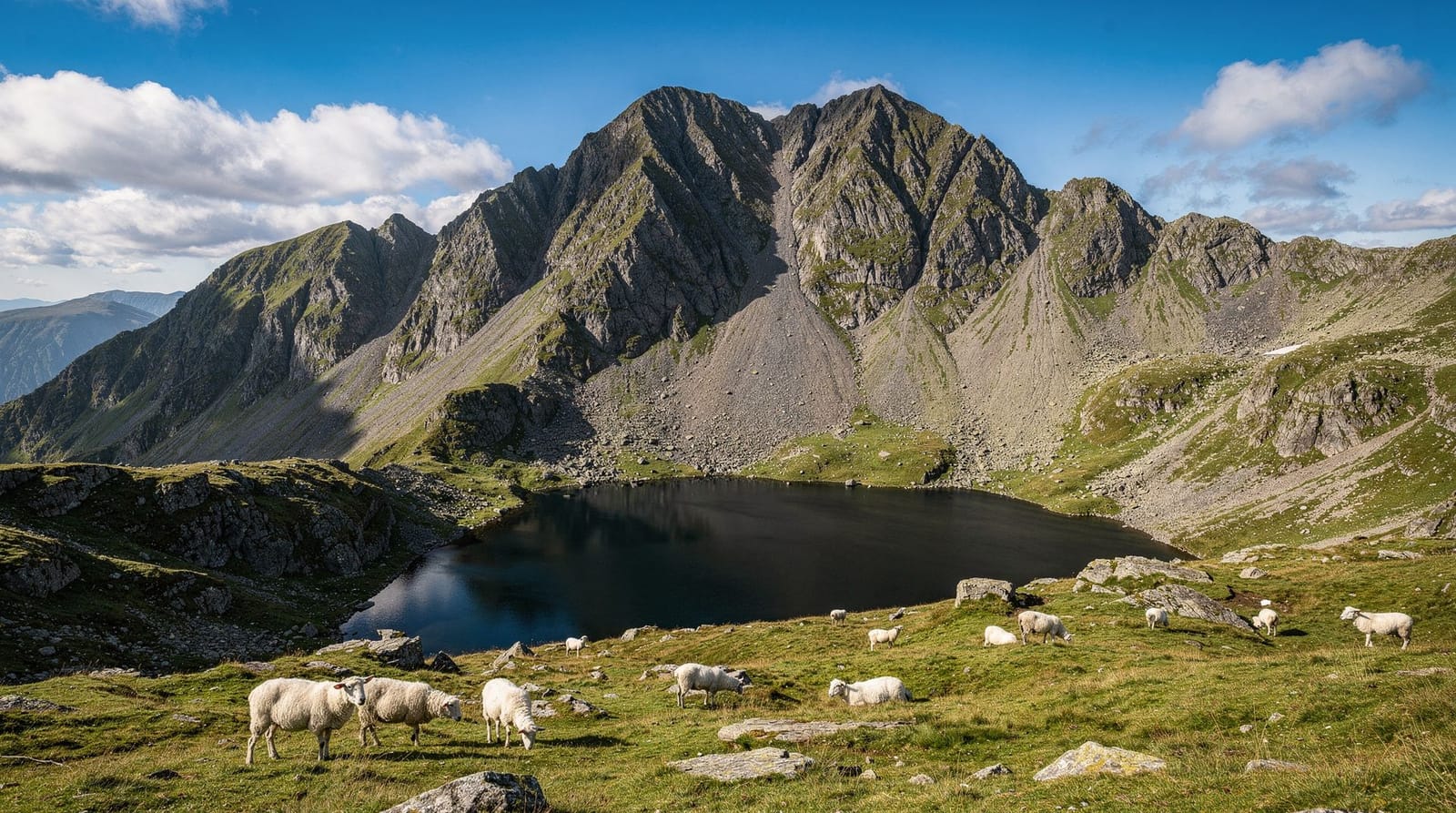
Ask anyone who actually lives around Eryri when they’d recommend visiting, and a surprising number say September rather than the obvious July-August peak. The reasoning is straightforward: summer brings school-holiday crowds, packed car parks at Pen-y-Pass and Llanberis by mid-morning, and heat that makes a serious hike genuinely uncomfortable. Autumn, particularly the first half, tends to bring settled, cool, clear spells that are close to ideal for walking, alongside noticeably quieter trails and villages.
That’s not a guarantee — Welsh mountain weather doesn’t run on a predictable seasonal switch, and any autumn week can bring a spell of driving rain and low cloud that shuts down summit views entirely. But the odds of a genuinely good hiking day are arguably better in a settled September stretch than in a humid, crowded August one.
The colour, and where to actually see it
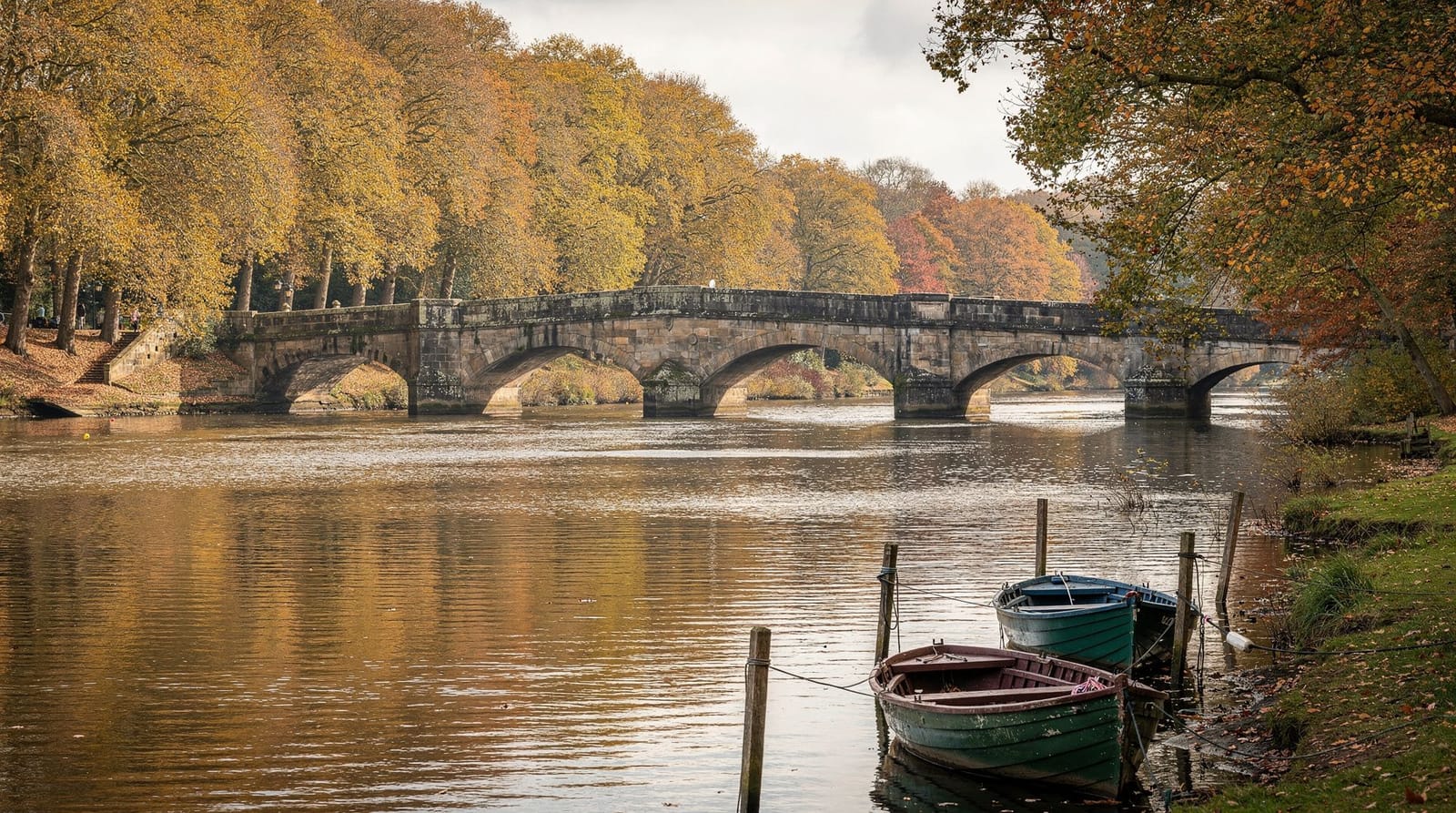
Snowdonia’s autumn colour is real but concentrated in specific places rather than blanket across the national park — the bracken on the open hillsides turns a deep rust-orange through October, and the broadleaf woodland in the valleys, particularly around Betws-y-Coed and the Conwy Valley, colours up properly by mid-to-late October. Betws-y-Coed’s Fairy Glen and Swallow Falls both benefit from the surrounding autumn woodland in a way that makes them noticeably more atmospheric than in flatter summer light. Llyn Padarn near Llanberis, ringed by hillside, also picks up good reflected colour on a still, sunny autumn day.
What closes, and when
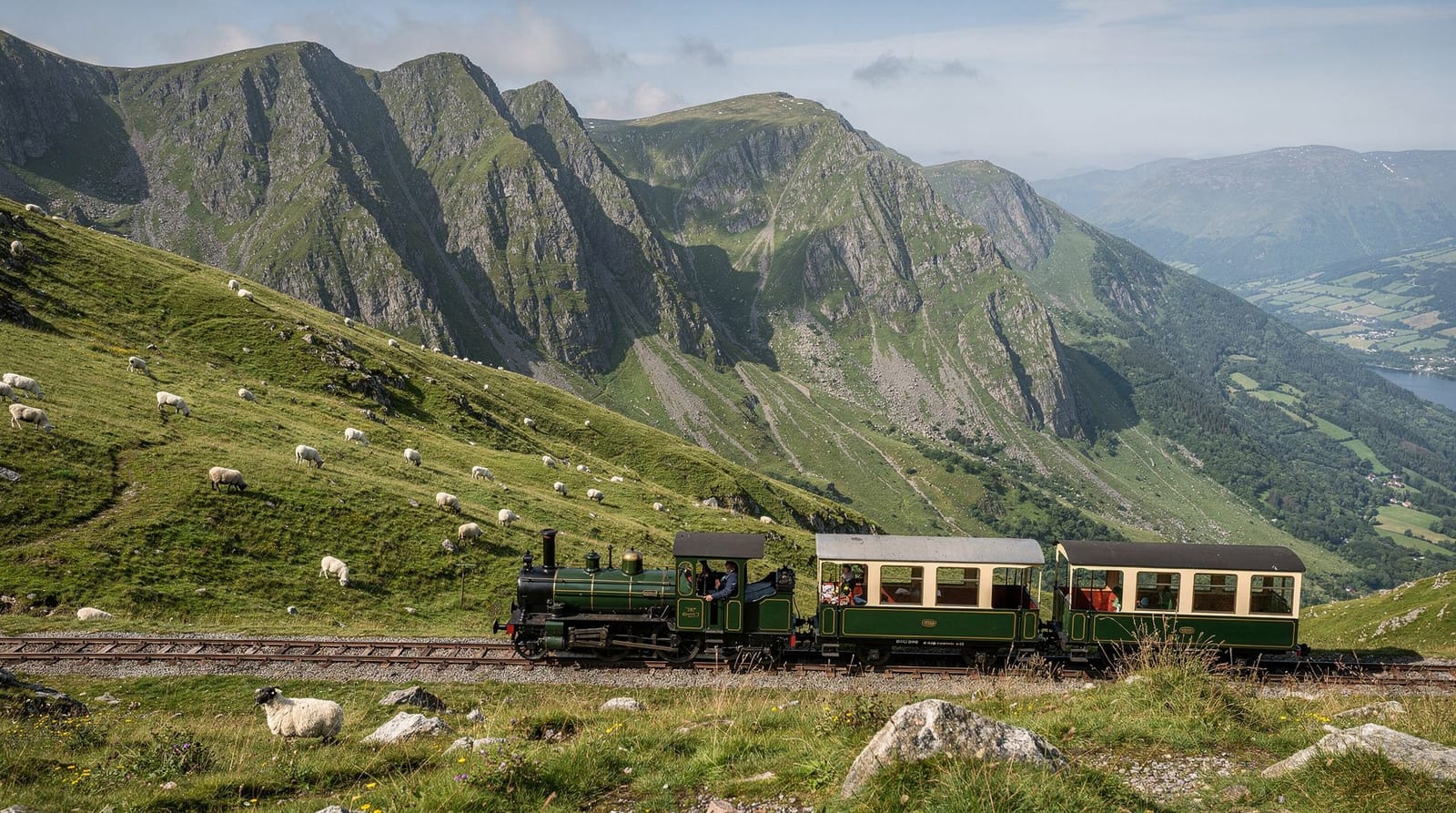
The single most important practical fact for an autumn visit is the Snowdon Mountain Railway’s season, which typically runs from around late March to late October or early November depending on the year and weather, with services often thinning to weekends only in the shoulder weeks either side of the main season. If a railway trip up Snowdon (rather than a hike) is central to your plan, check the current season’s exact dates before booking accommodation around it — arriving in early November expecting a railway service that’s already stopped for the year is a common and avoidable disappointment.
A Snowdonia and castles day tour is a reasonable way to see the region’s highlights within a single autumn day if you’re working around a railway closure, since it typically includes lower-level scenic stops rather than depending on the mountain railway specifically.
Zip World’s sites generally run later into the year than the mountain railway, including the underground attractions at Blaenau Ffestiniog, which are weather-independent by nature. Worth checking ahead regardless, since operating hours do shorten as daylight reduces through autumn.
Daylight, and why it matters more than you’d think
By late October, daylight in North Wales narrows considerably compared to midsummer — sunset around 4:30-5pm by early November rather than 9-9:30pm in June. That has a real practical effect on itinerary planning: activities that felt like a relaxed half-day in July need to start earlier and finish tighter in late autumn, and driving unfamiliar mountain roads in the dark is worth actively avoiding if you can help it. Building in more buffer time between stops, and planning to be back at your accommodation before dusk, is more important in October than it is in July.
What to actually pack
Autumn in Snowdonia genuinely does need proper waterproofs — not a light jacket, but a real waterproof shell and, ideally, waterproof trousers if any walking beyond short paved paths is planned. Layering matters more than in summer, since valley temperatures and exposed ridge temperatures can differ by several degrees, and wind chill on any of the higher paths is a real factor even on an otherwise mild day. Proper walking boots rather than trainers are worth the extra bag space, since autumn rain turns some of the popular paths genuinely muddy in a way summer’s drier ground doesn’t.
A private guided day covering the lakes and mountain scenery takes the weather-judgment call off your hands, since a local guide can adjust the route on the day based on conditions rather than you committing to a fixed self-drive plan a week in advance.
Pricing and crowds, the practical upside
Beyond the calmer trails, autumn also tends to bring slightly better availability and marginally lower accommodation prices around Snowdonia and the North Wales coast compared to the July-August peak, when school holidays push both demand and prices up. It’s not a dramatic saving, but combined with the shorter queues at parking and popular viewpoints, it adds up to a noticeably less stressful visit overall.
Wildlife worth watching for
Autumn is rutting season for red deer in parts of the wider region, and while Snowdonia itself isn’t the primary place in Britain for deer-watching, the surrounding Welsh countryside and estate parklands do see increased deer activity through October, with stags more vocal and visible than at other times of year. Birdwatchers also rate autumn for migration activity along the North Wales coast, particularly around the Conwy estuary and the RSPB reserve there, which sits conveniently close to the main coastal route between Chester and Snowdonia.
Specific villages that suit an autumn visit
Betws-y-Coed, already mentioned for its waterfalls and woodland, is arguably at its best in autumn specifically — the village itself is unremarkable architecturally, but its setting within dense, colouring woodland along the Conwy and Llugwy rivers is genuinely lovely in October in a way it isn’t in flat summer green. Llanberis, by contrast, is more about the mountain backdrop than woodland colour, and suits autumn mainly through the thinner crowds rather than a dramatically different visual character. Beddgelert, a little further south, combines both — a pretty stone village with good autumn colour along its river and easy access to less-walked valleys than the main Snowdon paths.
Accommodation availability in the shoulder season
Because autumn sits between the summer peak and the Christmas market season around Chester and the coastal towns, accommodation availability around Snowdonia in September and early October is generally better than either the summer crush or the festive period, and prices tend to soften accordingly. Late October through November gets thinner again as some smaller guesthouses and B&Bs, particularly around Llanberis and Beddgelert, reduce their opening days or close for a short off-season break before winter — worth checking directly with smaller independent places rather than assuming year-round availability.
Driving conditions worth planning around
North Wales’s mountain roads change character in autumn in ways worth planning for specifically. Wet leaves on the narrow, winding roads around Betws-y-Coed and the Nant Ffrancon pass make braking distances longer than they look, and low autumn sun at either end of the day can sit directly at windscreen height on some east-west stretches, which is a genuine hazard rather than a minor inconvenience. Fuel stops are also worth planning ahead of time — some of the smaller villages have limited or no fuel available, and running low in a remote valley as daylight fades is avoidable with basic planning.
Autumn as the best season for a specific kind of traveller
Autumn suits a particular kind of visitor better than any other season: photographers chasing colour and dramatic light, hikers who prefer cool temperatures and thinner crowds over summer’s heat and queues, and travellers generally who’d rather trade a chance of rain for the certainty of a quieter, cheaper trip. It suits families with young children and travellers wanting guaranteed long daylight hours for a packed multi-stop day less well — those groups are still better served by a late-spring or early-summer visit, when the Snowdon railway runs a fuller schedule and daylight stretches later into the evening.
A realistic autumn day from Chester
Drive or tour to Betws-y-Coed by mid-morning, walk the short loop to Swallow Falls and the Fairy Glen while the light is good, lunch in the village, then either a scenic drive further into the mountains if the railway season has already closed, or a Snowdon railway trip from Llanberis if it’s still running. Head back towards Chester before dusk given the shortened daylight — this is one plan where “leave earlier than you think you need to” is genuinely good advice rather than caution for its own sake.
Autumn month-by-month
| Month | Colour | Crowds | Railway |
|---|---|---|---|
| September | just starting in the bracken | thinning fast after the school return | full schedule |
| October | peak colour in valleys and woodland | quiet, best of the season for space | thins to weekends by late month |
| Early November | fading, some bare trees | very quiet | typically closed |
Getting there from Chester and the North Wales coast
Snowdonia is roughly an hour’s drive from Chester via the A55 or A5, with Betws-y-Coed usually the sensible first stop for orientation, fuel and lunch before pushing further into the mountains. If you’d rather not drive unfamiliar mountain roads in shortening autumn daylight, a guided day tour handles the route and timing for you — worth it specifically in autumn, when knowing which roads catch low sun or standing water matters more than it does in July. Combining Snowdonia with Conwy on the same day works well too, since the coastal town’s covered market and castle interior give you a rain-plan if the mountains close in.
Related planning
For the full seasonal picture across the year, see best time to visit Chester, which covers North Wales alongside the city itself, and our Snowdonia destination guide for year-round practical details. If the railway’s autumn closure affects your plans, our Snowdon Mountain Railway guide has the clearest breakdown of seasonal timetables, and how to see Snowdon without hiking covers the alternative options if the railway has already stopped for the season by the time you visit.
Frequently asked questions about Chester
Is autumn a good time to visit Snowdonia?
Yes — many locals prefer it to summer. Mid-September to late October typically brings cool, clear hiking weather, genuine autumn colour in the valleys and woodland, and noticeably thinner crowds than the July-August peak, at the cost of a shortening Snowdon Mountain Railway season and less predictable weather.
Does the Snowdon Mountain Railway run in autumn?
It typically runs from around late March into late October or early November, often thinning to weekends only in the shoulder weeks. Exact dates shift year to year with weather and demand, so check the current season before booking accommodation around a specific railway trip.