How to experience Snowdon without hiking to the top
Quick answer: you can reach the 1,085m summit of Snowdon (Yr Wyddfa) without walking a single uphill step, by taking the Snowdon Mountain Railway from Llanberis. It runs roughly late March to early November, takes about two and a half hours return with time at the top, and costs more than the six main walking routes combined in effort saved.
| Where | Llanberis, Snowdonia — around 90 minutes to 2 hours from Chester |
| Cost | Around £40-50 return per adult in peak season, less early or late-season |
| Time needed | Half a day for the railway alone, a full day with North Wales stops either side |
| Getting there | Car or organised tour recommended — Llanberis isn’t on a rail line |
| Best time | Late March to early November, weather-dependent on the day |
Why “you have to hike it” isn’t quite true
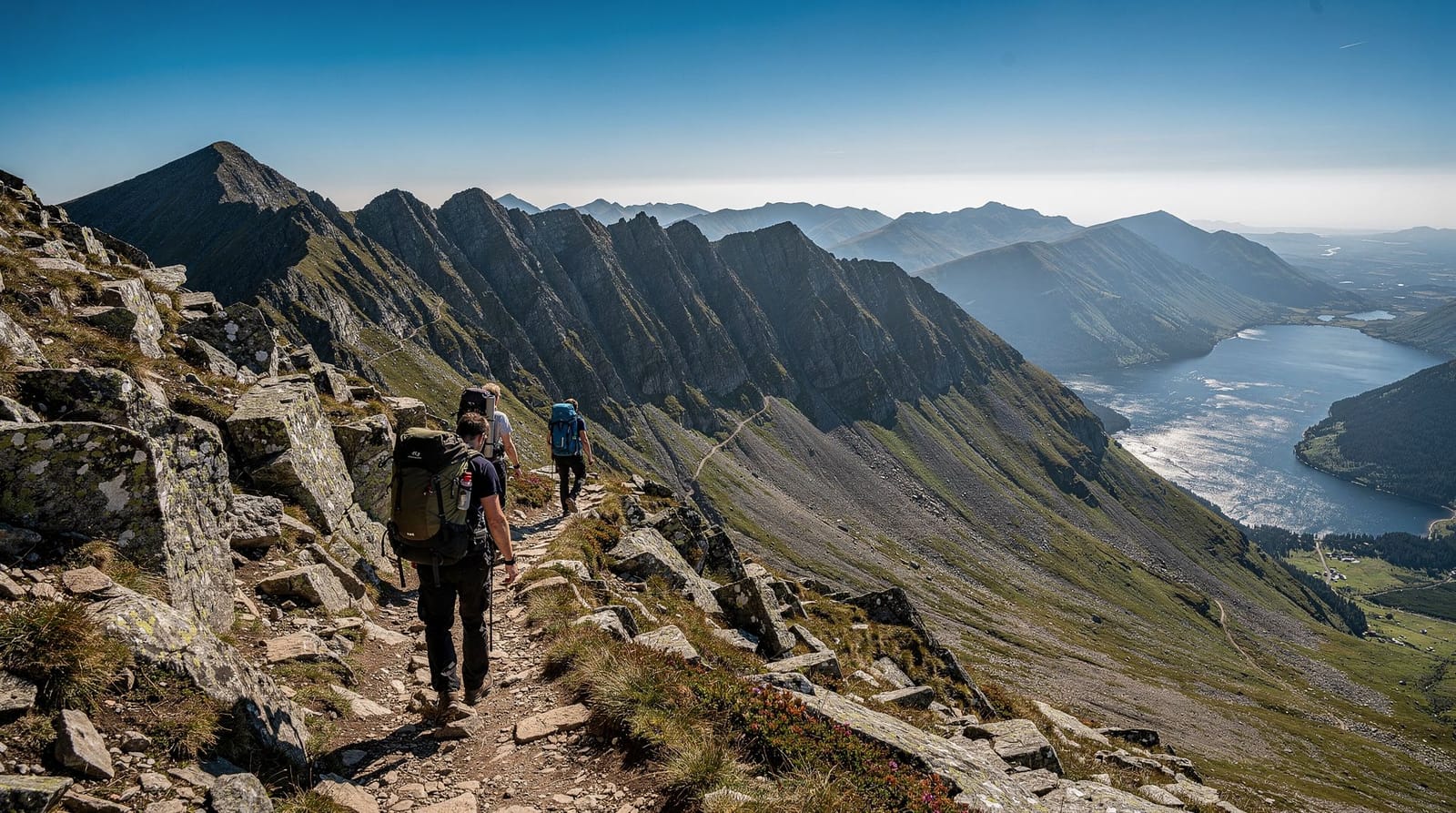
Snowdon gets pitched as a rite of passage — six well-trodden paths, thousands of walkers a year, queues at the summit café in August. All of that is real. What gets left out is that the mountain has had a working railway to its summit since 1896, and it’s a genuinely pleasant way to see Eryri (Snowdonia’s Welsh name) without training for a 1,000m ascent. If your legs, your schedule, or your patience for a 6-8 hour round walk aren’t up for it, the railway isn’t a consolation prize — it’s simply a different, equally legitimate way to do the same thing.
That matters for a Chester-based trip in particular. Snowdonia is roughly 90 minutes to two hours from Chester depending on route, and most people doing it as a day trip don’t have a spare 8 hours for a summit walk on top of the drive. The railway compresses “seeing Snowdon properly” into an afternoon.
The Snowdon Mountain Railway, the honest version
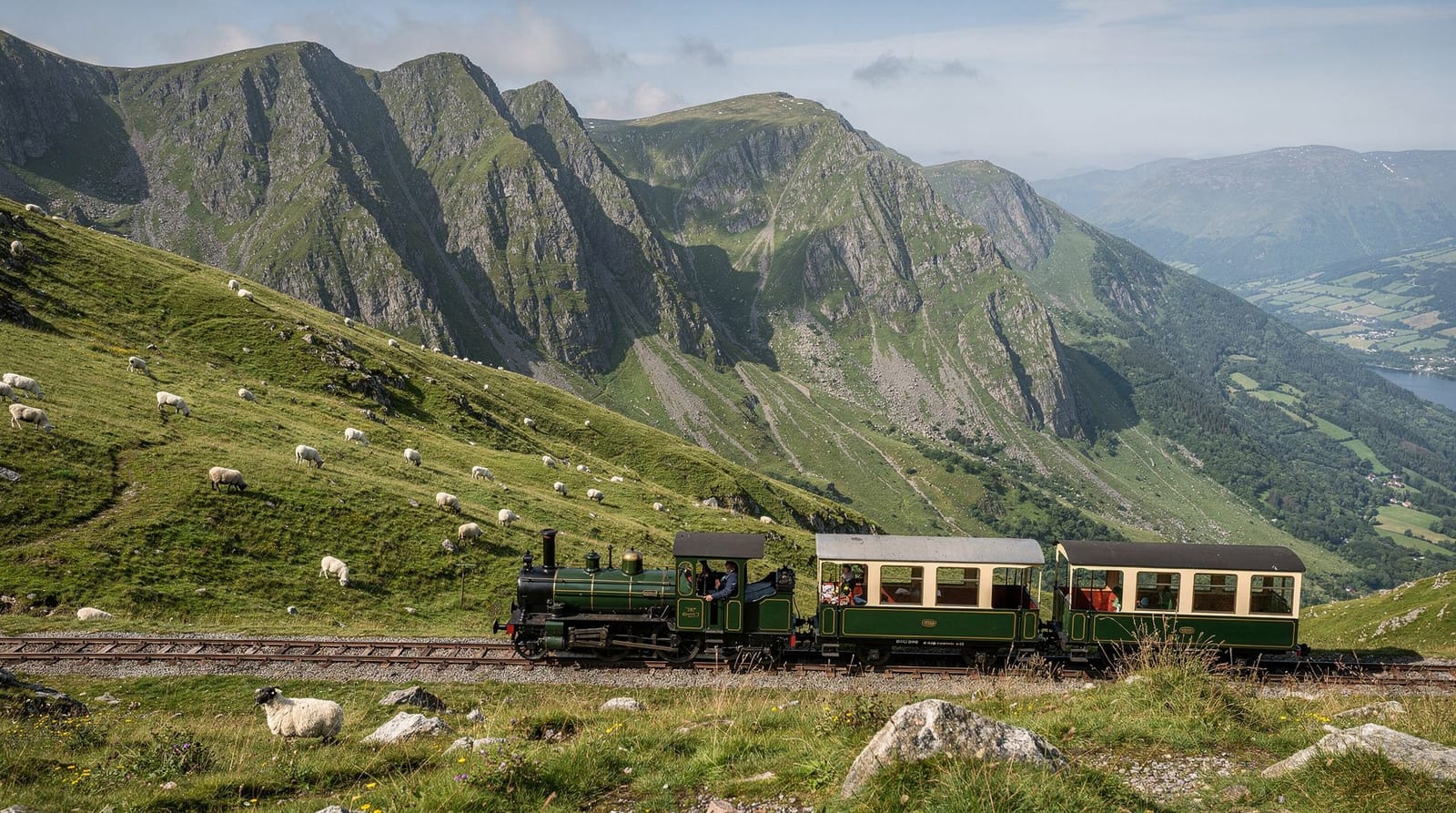
The rack-and-pinion railway leaves from Llanberis, on the western side of the range, and climbs just under 5 miles to the summit station. Return tickets typically run somewhere in the £40-50 range for adults in peak season, less for early or late-season departures, and there’s a cheaper option that only goes partway up (Clogwyn) on days when high winds close the summit stretch — worth checking the operator’s live status page before you drive out, since Welsh mountain weather closes the top section more often than visitors expect.
Trains run diesel most of the year, with a handful of vintage steam departures at a premium. Book ahead in summer; walk-up tickets on a sunny July day are close to impossible. Bring a jacket even in August — the summit is routinely 10°C colder and windier than Llanberis, and the café at the top (Hafod Eryri) is a warm, glass-fronted building rather than a full restaurant, so don’t expect much beyond hot drinks and pasties.
A private guided day covering Snowdonia’s lakes and mountain scenery is a good way to combine the railway with the rest of the national park if you don’t want to self-drive to Llanberis and back.
If you’d rather not go up at all
Plenty of Snowdonia’s best scenery doesn’t require a summit. Llyn Padarn, the lake right by Llanberis station, has a flat lakeside path and a narrow-gauge steam railway of its own (the Llanberis Lake Railway) that’s a nice half-hour add-on. Betws-y-Coed, further east, is almost entirely flat and has Swallow Falls a short walk from the car park — a genuine waterfall, not a viewpoint dressed up as one. The Conwy Valley more broadly rewards a slow drive more than a hike.
For a mountain-top view with even less effort than the Snowdon railway, Llandudno’s Great Orme — about an hour from Chester by train — has both a cable car and a Victorian tramway to its 207m summit, with sea views back along the North Wales coast. It’s not Snowdon, but if the goal is “stand somewhere high and look at Wales,” it does the job in under 20 minutes each way and costs a fraction of the trip to Llanberis.
Zip World: adrenaline without walking uphill
If the appeal of Snowdonia for you is more “do something memorable” than “reach a summit,” Zip World’s sites — Penrhyn Quarry near Bethesda for the zip lines, including one of the fastest in the world, and the slate caverns at Blaenau Ffestiniog for the underground trampoline course, Bounce Below — deliver adrenaline without a single uphill mile. Both require booking ahead, run rain or shine (the caverns especially, since they’re underground), and are priced from around £30-70 depending on the experience chosen.
Getting there from Chester without a car
Chester to Snowdonia without driving means the train to Llandudno Junction (about 1h07, roughly £10-15 each way) or Bangor, then a connecting bus or the Conwy Valley line down to Betws-y-Coed. It’s workable but slow, and buses in rural North Wales run less frequently than visitors from bigger cities expect — check timetables the night before, not on the platform. For the railway itself, Llanberis isn’t on a train line at all; you’ll need a bus from Bangor or Caernarfon, or a car. This is one of the few day trips from Chester where hiring a car for the day, or joining an organised tour, genuinely saves hours over public transport.
A full-day guided North Wales tour from Chester handles that logistics problem directly — useful if you want the railway and a couple of castle stops without renting a car or piecing together three bus timetables.
What this looks like as a day
A realistic no-hike Snowdon day from Chester: drive or tour to Llanberis by mid-morning, take an 11am-ish train up (booked ahead), 30 minutes at the summit if weather allows, back down by early afternoon, then either a walk round Llyn Padarn or a drive on to Betws-y-Coed for a late lunch before heading back to Chester. That’s a full but unrushed day, and it leaves you with photos from the actual summit — something plenty of hikers don’t get if cloud rolls in on the walking paths.
If you do want to combine the mountain-free approach with some walking, the lower valley paths around Llyn Ogwen or the Miner’s Track as far as Llyn Llydaw (turning back before the real climbing starts) give a taste of Snowdonia’s terrain without committing to the summit scramble.
Doing it with kids or older relatives
The railway’s biggest practical advantage over hiking is who it includes. A six-hour walking route effectively rules out young children, anyone with mobility limits, and most grandparents on a family trip — the railway doesn’t. The carriages are heated, the ride itself is gentle enough for most ages, and the summit station has handrails and a solid indoor space rather than an exposed rocky outcrop. That said, it’s still a genuine mountain summit: wind chill, thin air at altitude for anyone with respiratory conditions, and a walk of a few minutes from the station to the actual highest point are all worth planning around rather than assuming the railway removes every physical demand entirely.
Pushchairs are workable on the train itself but awkward at the summit, where the terrain around the station is uneven rock rather than a paved viewing platform. A carrier for younger children tends to work better than a pushchair for the short walk to the trig point.
Photographing the view without the crowd
Because the railway concentrates visitors into scheduled arrival windows rather than the steady trickle of walkers reaching the top throughout the day, the summit can actually feel more crowded at specific moments — right as a train arrives — and emptier in between. If a clear photo of the trig point or the view without other tourists in frame matters to you, hang back for a few minutes after your train arrives and let the immediate rush disperse before heading to the most popular viewpoints. Early and late departures in the operating day also tend to be quieter than the mid-morning to early-afternoon rush.
On a genuinely clear day, the summit view stretches across Anglesey, the Llŷn Peninsula and, on the best days, as far as the Isle of Man and the Wicklow Mountains in Ireland — but “clear” is doing a lot of work in that sentence. Snowdon generates its own cloud cover more often than visitors expect, even on days that look bright from the valley floor, so treat any summit view as a bonus rather than a guarantee, railway or hike.
Combining the railway with a short, easy walk
If total inactivity isn’t the goal and you’d like some walking without committing to a summit route, the lower section of the Llanberis Path — the gentlest of Snowdon’s six routes, and the one that broadly follows the railway line — can be walked for 30-45 minutes from the Llanberis end before turning back, giving a taste of the mountain terrain and some good views back over Llyn Padarn without any real climbing. This works well as a pre- or post-railway activity if you’ve got a few spare hours either side of your train slot.
What it costs against a full guided day
Compared to booking an organised day covering the railway plus other Snowdonia stops, doing it entirely independently by car saves money on the tour but adds the logistics of parking at Llanberis (which fills early on busy days, particularly in August) and planning your own onward stops. For a first visit without a car, the tour option removes that friction at a real but modest cost premium — usually worth it for the time saved rather than the money spent, especially if you’re only in the region for a single day.
Worth knowing before you go
The railway doesn’t run in winter — service is typically late March/early April through late October or early November, weather-dependent, so this whole approach is a fair-weather-season plan, not a year-round one. If you’re visiting Snowdonia between December and March, the honest advice is to enjoy the valleys and coast rather than count on reaching any summit, railway or otherwise. Wind can also close the top few hundred metres of track on a clear-looking day at valley level — Eryri’s summit weather is genuinely its own microclimate, and no amount of planning fully controls for it.
For the wider trip context, our 3-day North Wales itinerary from Chester builds a no-stress version of this into a longer weekend, and the Snowdon Mountain Railway guide has full timetables and station details. If hiking is still on the table for part of your group, Snowdon’s hiking routes breaks down the six paths by difficulty so you can split into a hiking group and a railway group and meet at the top.
For adrenaline over altitude, see the Zip World guide, and for the coastal cable-car alternative, our Conwy destination guide covers Llandudno and the Great Orme in the same area. Planning a longer autumn visit instead of a summer one, our autumn in Snowdonia post covers what changes once the crowds and the railway timetable both thin out.
When to go: a month-by-month view
The railway’s operating window is the single biggest variable in planning a no-hike Snowdon day, and “open” doesn’t always mean “busy in the same way.” Here’s roughly what to expect across the season:
| Month | Railway status | Crowds | Notes |
|---|---|---|---|
| Dec-Feb | Closed | — | Valleys and coast only; save the summit for spring |
| Mar-Apr | Opening (weather permitting) | Low-moderate | Best chance of walk-up tickets; check live status |
| May-Jun | Full service | Moderate | Good balance of daylight, weather and crowds |
| Jul-Aug | Full service, peak | High | Book well ahead; arrive early for parking at Llanberis |
| Sep-Oct | Full service, tapering | Moderate | Our pick for clearer views and thinner crowds |
| Nov | Closing (weather permitting) | Low | Short window; confirm before travelling |
Where to stay if a day trip isn’t enough
If you’d rather not do the round trip from Chester in a single push, basing yourself in the national park for a night changes the maths considerably — you get an early start at the railway before the day-tripper rush and a relaxed evening rather than a late drive home. Betws-y-Coed works well as a base if you also want the flat walks and Swallow Falls covered above, and it sits on the Conwy Valley line for onward travel.
Llandudno, covered in our Conwy destination guide, is a better fit if you want the seaside, the Great Orme, and easy train links back to Chester rather than a rural overnight. Either way, book Snowdon Mountain Railway tickets before you fix your accommodation dates — the railway’s schedule should drive the trip, not the other way round.
Packing list for a no-hike Snowdon day
Even without a step of climbing, this is still a mountain trip, and the kit list reflects that: a warm layer and windproof jacket regardless of the season (the summit runs routinely 10°C colder than the valley), comfortable closed shoes rather than sandals for the short walk from the summit station to the trig point, a camera or phone with charge for the viewpoints, and cash or card for Hafod Eryri’s hot drinks, since the café is small and can queue up around each train arrival. If you’re combining the railway with any of the easy valley walks — Llyn Padarn, Swallow Falls, or the short Llanberis Path stretch — add a light waterproof, since North Wales weather changes faster than the forecast suggests.
Frequently asked questions about Chester
Do I need to book Snowdon Mountain Railway tickets in advance?
Yes, especially between June and September. Walk-up tickets exist but sell out early on clear-weather days, and the railway sometimes closes the top section or cancels departures for wind, so booking a specific time slot online is the safer option regardless of season.
Is the Snowdon Mountain Railway suitable for wheelchair users or pushchairs?
The train carriages themselves can accommodate wheelchairs with advance notice to the operator, but the summit station terrain is uneven rock rather than a paved platform, which limits how far you can go from the building itself. Contact the railway directly before booking if step-free access at the top matters to your visit.
What happens if the weather closes the summit on the day I’ve booked?
The railway sometimes runs a shortened service to Clogwyn, partway up, rather than the full summit, when high winds make the top section unsafe. Check the live status page on the morning of your visit; refunds or amended tickets are typically offered if your booked service is affected.