First time in North Wales, what to actually expect
Quick answer: North Wales packs mountains (Eryri/Snowdonia), UNESCO-listed castles (Conwy, Caernarfon, Beaumaris, Harlech), and a genuinely different coastline into an area small enough to cover several highlights from Chester in a single day, though a car makes an enormous practical difference over public transport.
| From Chester | Around 1 hour to the coast (Llandudno); longer into Snowdonia’s interior |
| Best for a first visit | One or two castle towns plus a scenic coast or mountain stretch |
| Getting around | Car strongly recommended; coast train line covers Llandudno/Conwy/Bangor without one |
| Best season | Spring through early autumn; winter closes several key attractions |
| Language note | Bilingual English/Welsh signage throughout; English spoken everywhere |
It’s smaller and closer than it looks on a map
First-time visitors often underestimate how compact North Wales is. From Chester, you can reach Llandudno on the coast in just over an hour by direct train, and be looking at castles, mountains and sea within the same afternoon if you’re driving. This isn’t a remote, hard-to-reach corner of Britain — it’s a genuinely accessible region that happens to feel wilder and more dramatic than its proximity to England would suggest.
The castles are a genuine highlight, not just a checkbox
Conwy Castle and Caernarfon Castle, both UNESCO World Heritage Sites along with Beaumaris and Harlech (collectively “the castles and town walls of King Edward I”), are worth building real time into your itinerary rather than treating as a quick photo stop. Caernarfon in particular is enormous and genuinely impressive — it was built as a statement of English royal power over conquered Wales, and that history is worth engaging with rather than skipping past, since it shapes a lot of how Wales relates to its own castles today. Conwy is smaller but arguably more atmospheric, with a complete circuit of town walls you can walk, similar in spirit to Chester’s own.
A day tour from Chester covering North Wales and Caernarfon Castle is a solid way to see the region’s castle highlights without organising the driving and parking yourself on a first visit.
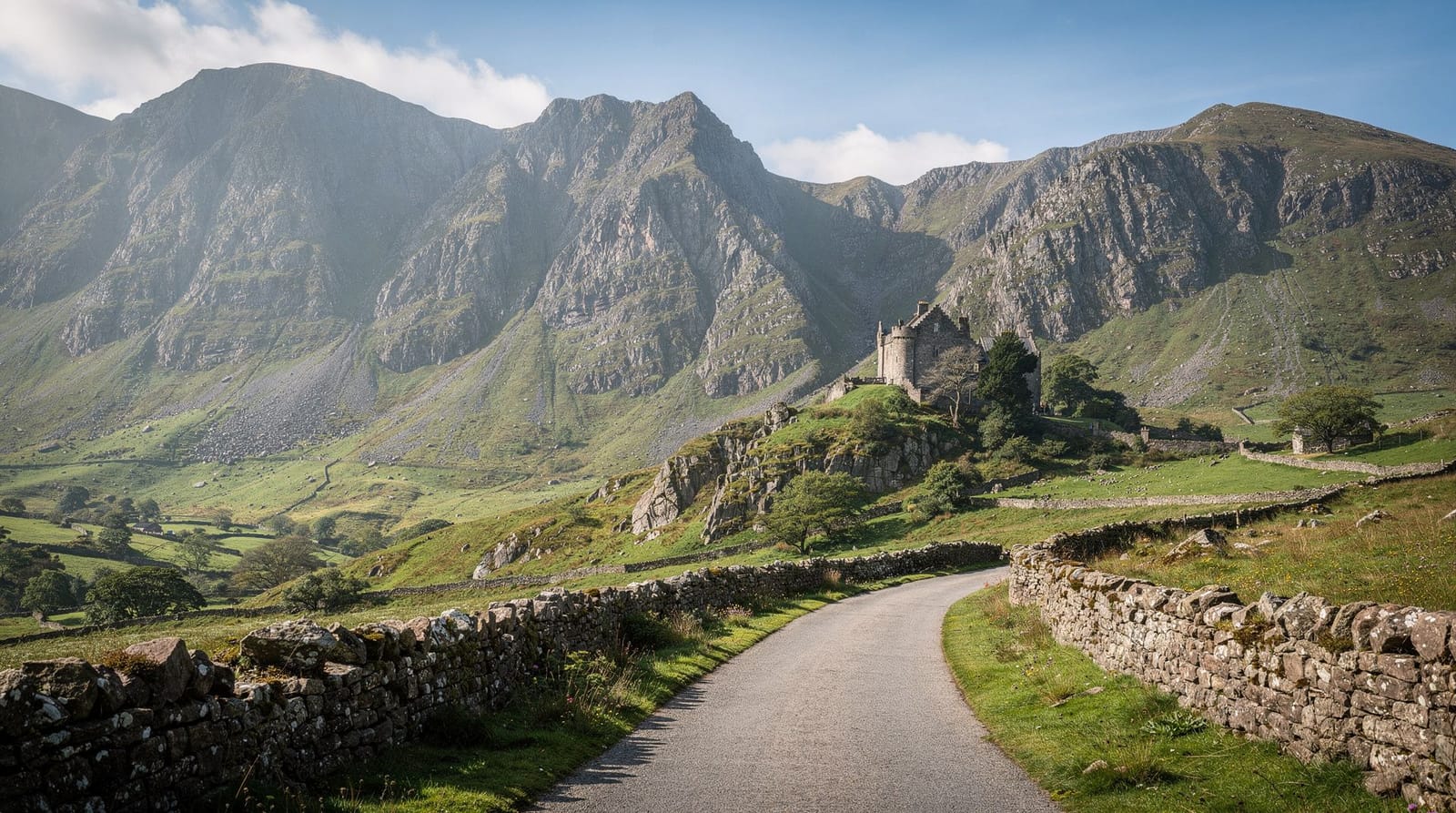
Snowdonia (Eryri) is genuinely mountainous
Don’t underestimate the terrain — Eryri (Snowdonia’s Welsh name, increasingly used alongside or instead of the English one) has real mountains, not big hills, and Snowdon itself (Yr Wyddfa) tops out at 1,085m. If serious hiking isn’t your plan, the Snowdon Mountain Railway offers a hiking-free route to the summit, and there are extensive lower-level valley walks around Betws-y-Coed and the Conwy Valley that don’t require any real climbing at all. Weather changes fast at altitude here, more than first-time visitors from flatter parts of the UK tend to expect — pack proper layers even in summer if you’re heading up into the hills.
Welsh place names and the language, briefly
Place names that look intimidating on a map — Betws-y-Coed, Llandudno, Llangollen, Blaenau Ffestiniog — are genuinely easier to say than they look once you know a couple of basic rules: “ll” is a sound with no real English equivalent (roughly a breathy “thl”), “dd” sounds like the “th” in “this,” and “w” often functions as a vowel (as in “Cwm,” meaning valley). You don’t need fluency, and locals are used to visitors having a go rather than expecting perfection. Road signs and most services are bilingual English/Welsh, and Welsh is a living, actively spoken language in parts of this region, not a historical curiosity — worth remembering as a matter of basic respect rather than treating it as decorative.
Getting around: car versus public transport
This is the single most important practical decision for a first North Wales trip. With a car, the region opens up completely — Snowdonia’s interior, Portmeirion, Zip World’s sites, and the smaller castle towns are all within comfortable reach of each other in a single day. Without a car, you’re relying on a combination of the North Wales coast train line (which covers Llandudno, Conwy, Bangor and Holyhead well) and buses for anything inland, which is workable for the coast but genuinely limiting for the mountains and the more remote sites like Portmeirion.
A full-day guided tour from Chester is the practical middle ground if you don’t want to hire a car but do want to see more than the coastal train line allows — it handles the driving and lets you focus on the castles and scenery instead of timetables.
What surprises first-time visitors most
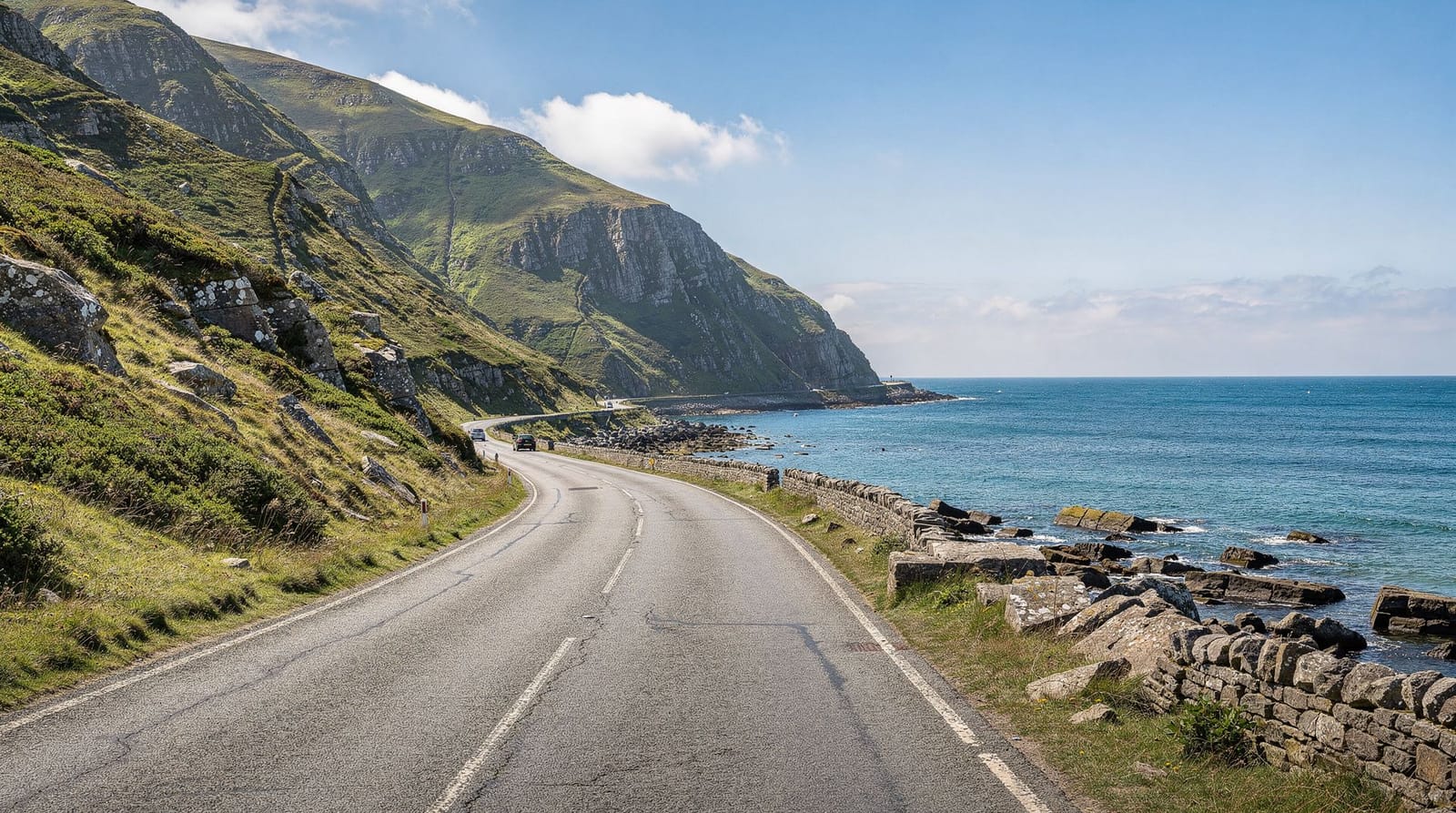
Three things come up repeatedly from people visiting North Wales for the first time: how genuinely mountainous it is compared to expectations, how much slate industrial heritage there is (the region was, for a period, the world’s leading source of roofing slate, and Blaenau Ffestiniog in particular is built almost entirely from and around slate quarrying), and how variable the weather can be within a single day — bright sun on the coast and low cloud on the mountains twenty minutes’ drive inland isn’t unusual.
Choosing a base: Chester, Llandudno or Snowdonia itself
For a first visit, basing yourself in Chester and doing North Wales as day trips is the lowest-commitment option — you keep the city’s amenities and transport links each evening, at the cost of longer round trips into the mountains each day. Basing yourself in Llandudno or Conwy instead cuts travel time to the coast and the castles considerably, at the cost of a smaller, quieter base with less to do on an evening you don’t fancy driving anywhere.
Basing yourself inside Snowdonia itself, around Betws-y-Coed or Beddgelert, gets you closest to the mountains but furthest from any city amenities, and is really only worth it if the mountains themselves, rather than a mix of castles, coast and hills, are the main draw. Most first-time visitors do better with Chester or the coast as a base and treating the mountains as a day trip rather than committing to a remote stay before they know how much hiking or driving they actually want to do.
Common mistakes first-timers make
The most common one is underestimating driving times on single-track mountain roads — a route that looks like 30 minutes on a map can take 45-50 minutes on a narrow, winding road with passing places rather than a proper two-lane carriageway. The second is assuming every attraction is open and staffed year-round; several of North Wales’s best sites, including the Snowdon Mountain Railway and some Zip World attractions, have defined seasons and reduced winter hours.
The third is packing for the weather forecast in the valley rather than the mountains — the temperature and wind at altitude can differ dramatically from a pleasant-looking day at sea level, and visitors from milder climates or flatter parts of the UK are routinely caught out by this.
Weather across the seasons, briefly
Summer (June-August) brings the most reliable weather and the longest daylight, but also the biggest crowds and the fullest car parks at popular sites, particularly Snowdon’s trailheads. Spring and early autumn offer a genuine sweet spot of decent weather odds and noticeably thinner crowds.
Winter is honestly the hardest season for a first visit — several attractions reduce hours or close (the Snowdon Mountain Railway among them), days are short, and the mountains can bring proper winter conditions including snow and ice on higher paths that are genuinely dangerous without the right experience and equipment. A first-time visitor unfamiliar with the region is better off targeting spring through early autumn rather than winter, when North Wales rewards more specialist knowledge than a first trip usually has.
A basic packing list for a first visit
Waterproof jacket (genuinely waterproof, not just showerproof), a warm layer even in summer for higher ground, proper walking shoes if any hiking at all is planned, and a portable phone charger, since signal and therefore GPS battery drain can be unreliable in the more remote valleys. If you’re driving, a paper map or downloaded offline map is worth having as backup — mobile signal drops out in several of the more mountainous stretches, which catches out visitors who rely entirely on live phone navigation.
Currency, language signage and other small practicalities
North Wales uses pounds sterling like the rest of the UK, and card payment is near-universal even in small rural shops and cafés, so carrying much cash isn’t necessary beyond small amounts for the odd honesty-box car park or rural attraction. Road and place-name signage is genuinely bilingual throughout, with Welsh given equal or sometimes primary billing over English — a small adjustment for first-time visitors used to English-only signage, but never a practical barrier, since English is spoken everywhere.
A realistic first day
If you only have one day and Chester is your base, the honest recommendation is Conwy Castle and town in the morning (roughly an hour from Chester), lunch in Llandudno or Conwy itself, then either a scenic drive into Snowdonia’s western valleys for the afternoon or Caernarfon Castle if you’d rather stay coastal. Trying to add Portmeirion or a full Snowdon summit visit to the same day is realistically over-ambitious — better to treat North Wales as a region worth two or three separate day trips from Chester rather than one exhaustive one.
Food and where to eat on your first trip
North Wales isn’t a food-tourism destination the way some regions are, but small-town cafés and pub kitchens in places like Conwy, Betws-y-Coed and Llandudno are genuinely solid, particularly for hearty, unpretentious food after a day outdoors — Welsh lamb, local cheeses and, near the coast, fresh seafood are worth seeking out over generic tourist-strip menus. Larger towns like Llandudno have more variety, including some genuinely good options along the promenade, while smaller villages inland often have just one or two decent places, so it’s worth checking opening hours in advance rather than assuming somewhere will be open outside peak season.
Money-saving realities for a first trip
A day out in North Wales is generally cheaper than a comparable day in Chester itself, mainly because major sights like Conwy Castle and Caernarfon Castle are individually ticketed rather than bundled into an expensive single attraction, and rural cafés tend to price below city-centre equivalents. The main costs to budget for are castle entry (via Cadw, the Welsh heritage body), transport (train fares or fuel and parking), and any paid activity like the Snowdon Mountain Railway or a Zip World experience, which run noticeably higher than a castle ticket given the infrastructure involved.
A second and third visit, once you know the region
Most first-time visitors come away wanting to return, and a second trip is a good opportunity to go deeper into whichever theme grabbed you most — a dedicated Snowdonia hiking day, a slower exploration of the smaller castle towns, or the heritage railways that a rushed first visit rarely has time for. Our Welsh castles guide and heritage railways piece are both aimed at exactly this deeper second-visit planning, once the basic orientation from a first trip is out of the way.
Frequently asked questions about a first visit to North Wales
Do I need a car for North Wales?
Not strictly for the coast — the North Wales coast train line covers Llandudno, Conwy, Bangor and Holyhead well — but a car opens up Snowdonia’s interior, Portmeirion and the smaller castle towns considerably more than public transport allows.
How many days should a first-time visitor plan for?
One day gives a realistic taste (typically Conwy or Caernarfon plus a scenic drive or the coast), but most first-time visitors come away wanting a second or third trip once they know which part of the region — castles, mountains or coast — appeals most.
Related planning
For the region overview, see our North Wales destination guide, and for the castles specifically, Welsh castles guide covers all four UNESCO sites plus several others in more depth. The dedicated Chester to North Wales transport guide has full train and bus details for those going without a car. If one day isn’t enough, which for most first-time visitors it genuinely isn’t, our 3-day Chester and North Wales itinerary and the shorter North Wales in a day piece both offer more structured versions of the plan above.